What if we talked about wine differently?
With Face To Face, the ambition remains the same: to move away from overly technical discourse and create conversations that feel alive, human and accessible. Behind every great wine, there are people, a vision, and a story — and that is exactly what this series aims to reveal.
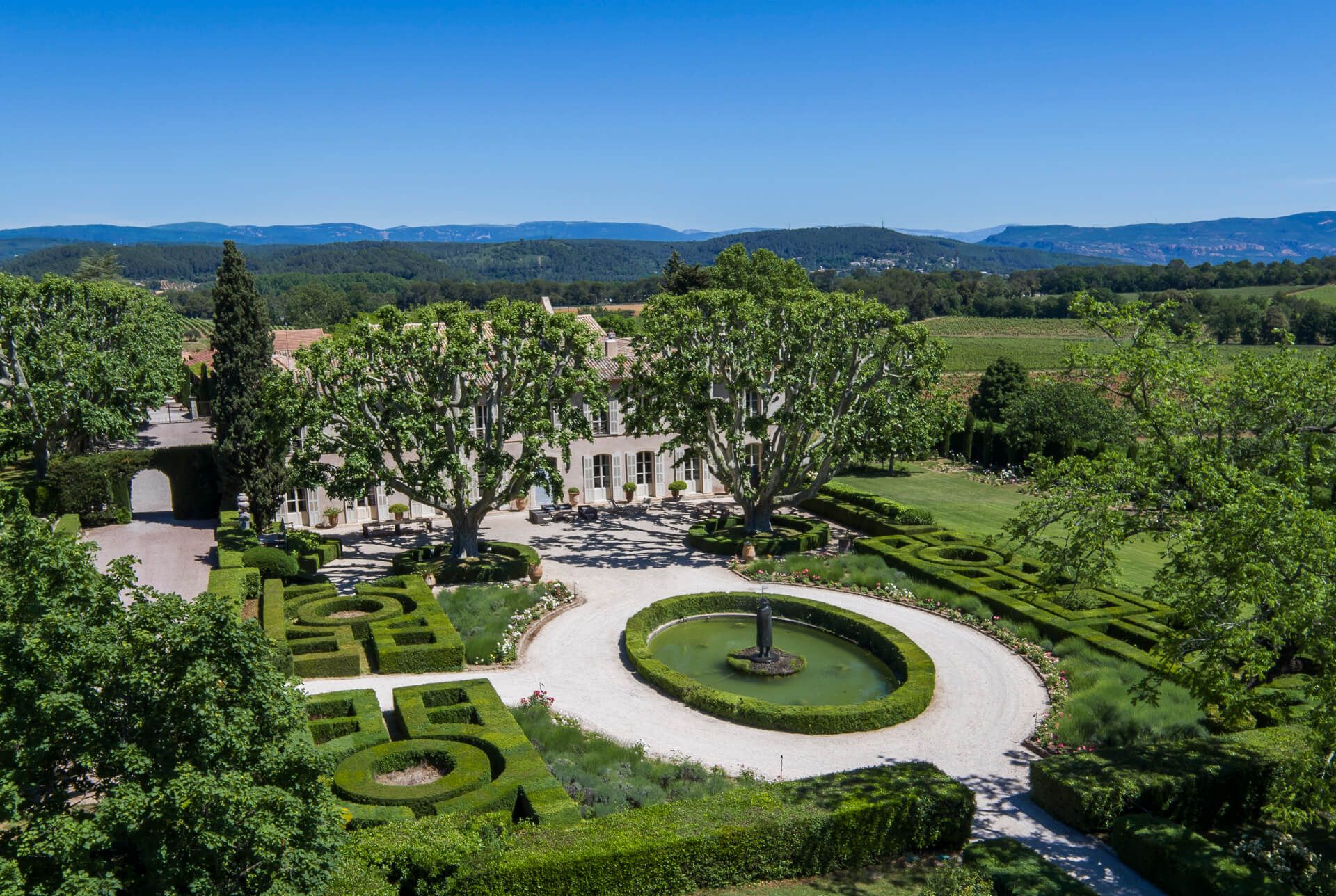
In this episode, Marie-Caroline meets Aurélie Bertin at Château Sainte-Roseline, in the heart of Provence. Nestled between the sea and rolling hills, just a few kilometers from the Mediterranean, this iconic estate stands as one of the jewels of the Côtes de Provence.
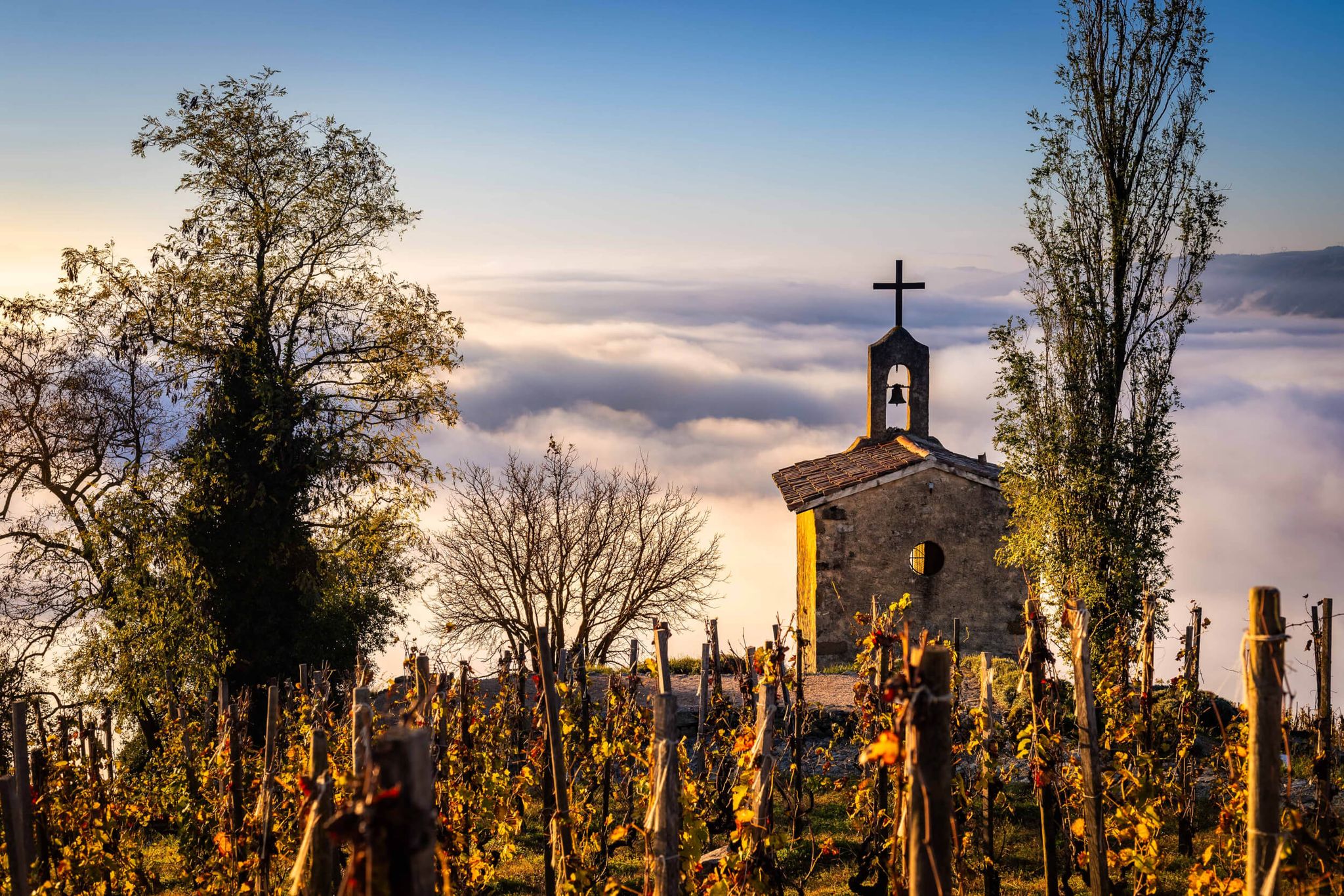
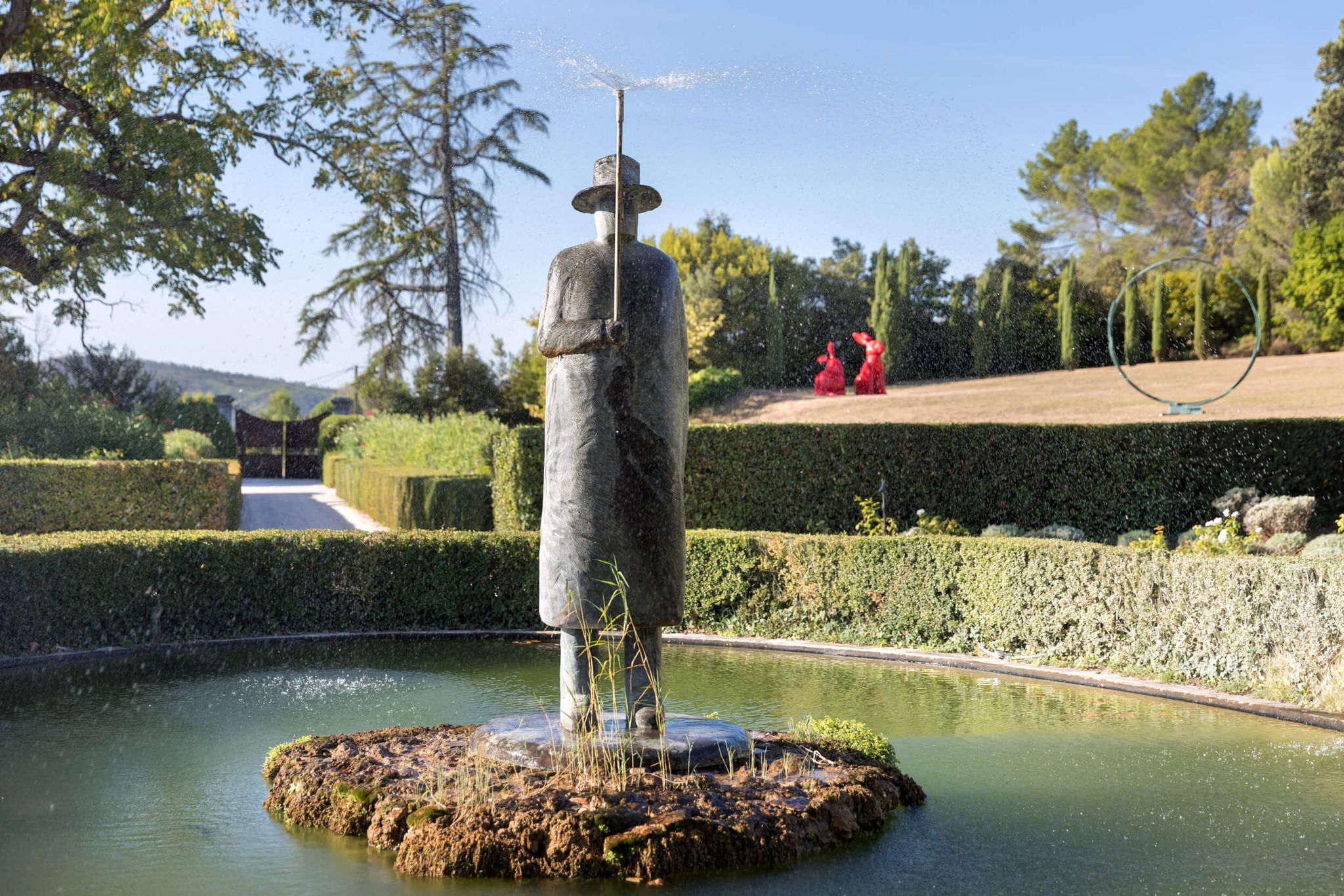
From the very first moment, the place captures your attention. Everything here tells a story: the light, the stones, the vineyards, the chapel… Sainte-Roseline is not just a wine estate — it is a place filled with history and emotion.
To better understand what makes it so unique, the conversation begins simply: how would you define the identity of Château Sainte-Roseline today?
Château Sainte-Roseline: a classified growth between heritage and vision
Marie-Caroline Ringot : “Can you introduce the estate?”
Aurélie Bertin : “Château Sainte-Roseline is a family-owned estate emblematic of the Côtes de Provence, with a unique dual distinction: being a Cru Classé since 1955 and home to a chapel listed as a historical monument.”
This dual identity perfectly reflects the DNA of the estate: a rare combination of cultural heritage and winemaking excellence.
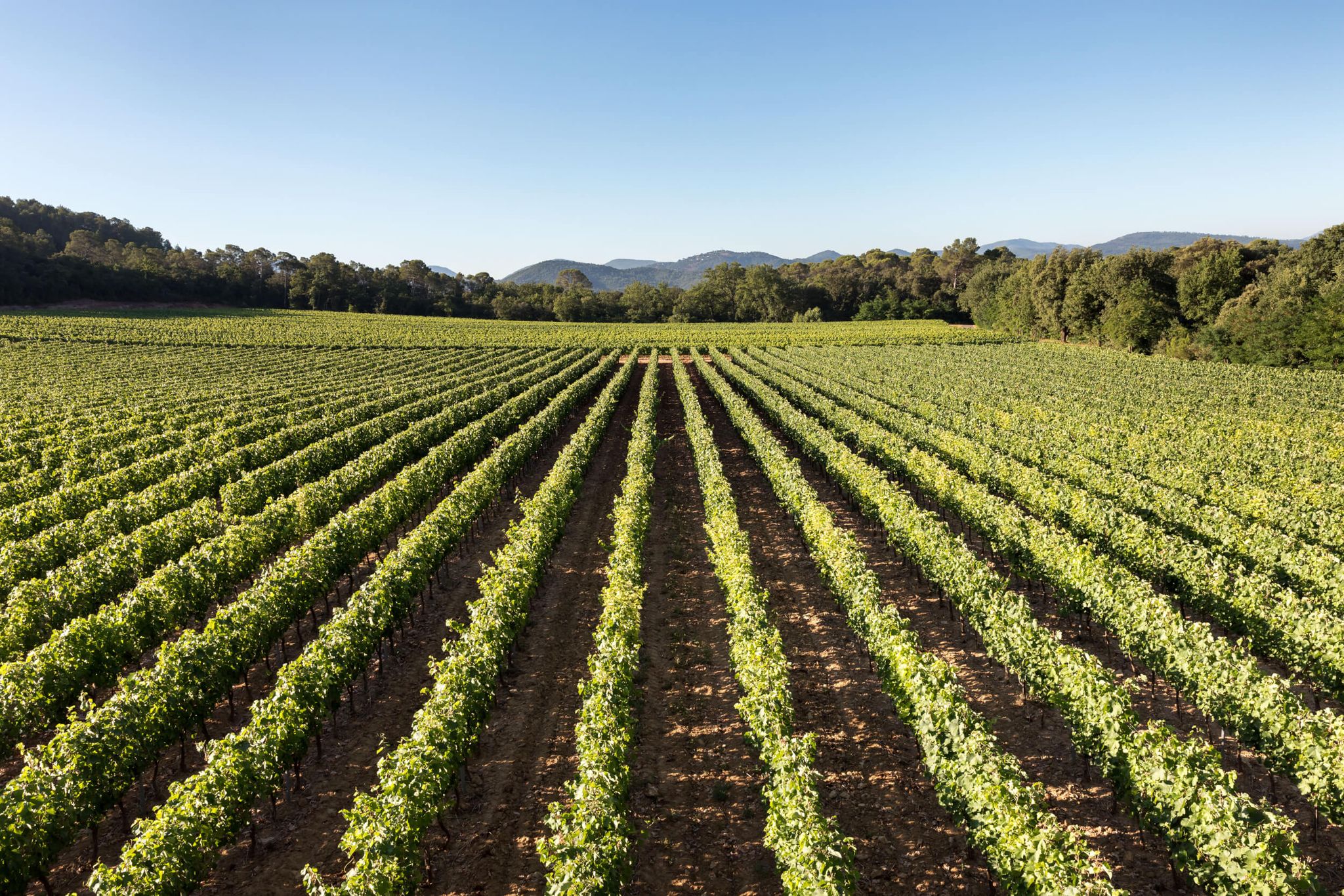
Today, the estate spans 110 hectares of vineyards and produces wines in all three colors — rosé, white and red — with a constant focus on quality.
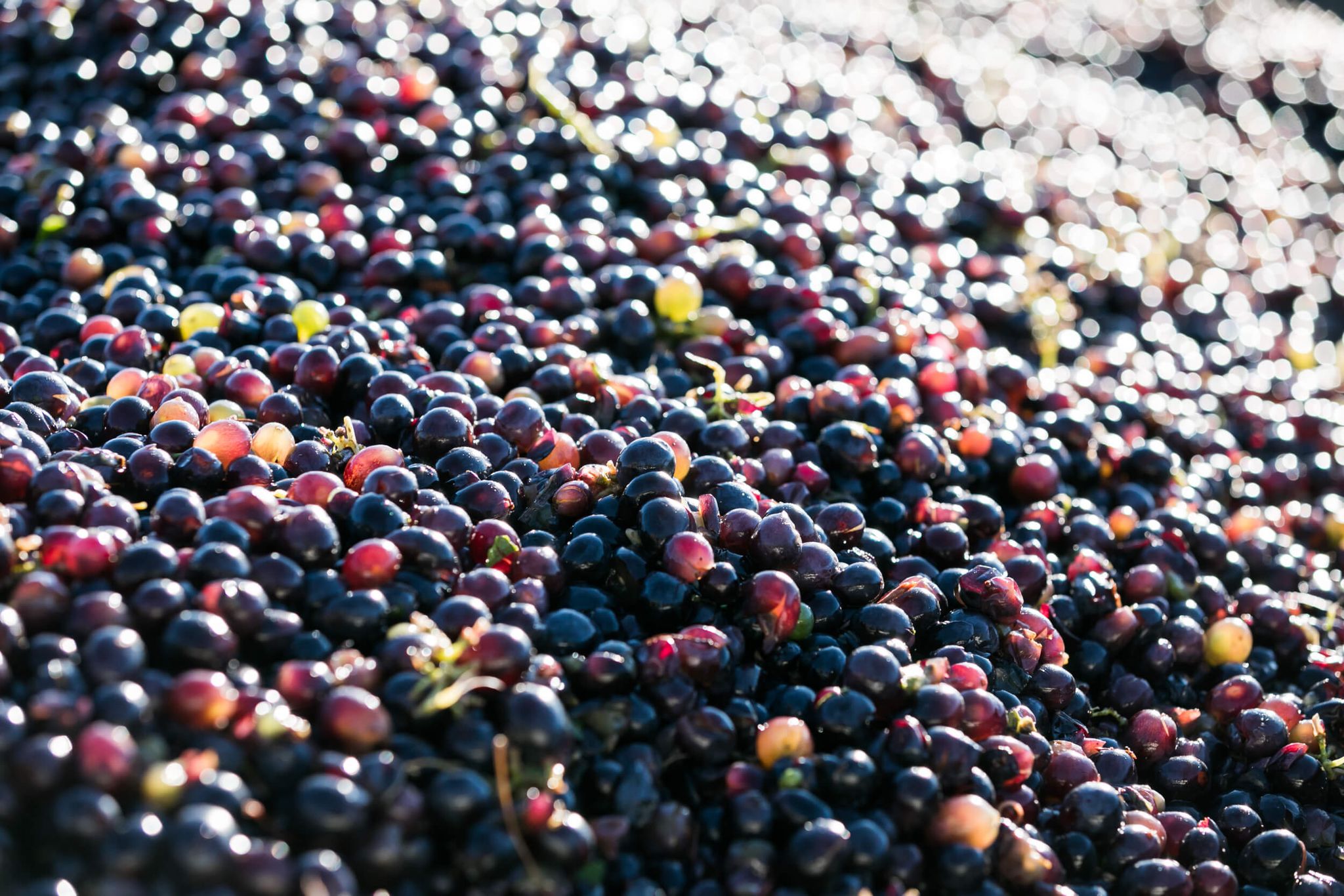
But Sainte-Roseline goes far beyond wine production. It is also a forward-looking estate, committed to sustainable viticulture with organic certification and the “Vigneron Engagé” label, a benchmark for environmental responsibility in the wine world.
The château is also deeply open to the public. A pioneer in wine tourism, it welcomes more than 30,000 visitors each year, offering a complete immersion into its heritage, its wines and its philosophy.
A living terroir between sea and forest
Marie-Caroline Ringot : “What makes your terroir so distinctive?”
Aurélie Bertin : “We have clay-limestone soils with natural underground water sources, combined with maritime influence from the nearby Mediterranean.”
The terroir of Sainte-Roseline is built on a delicate balance of natural elements.
The clay-limestone soils provide excellent water retention, which is essential in a Mediterranean climate. The underground springs play a key role in naturally irrigating the vines, allowing for steady and balanced growth even during dry periods.
Added to this is the influence of the sea, located just a few kilometers away. It brings freshness, regulates temperatures and allows the grapes to ripen slowly and evenly — a key factor in the elegance of the wines.
Finally, the surrounding forests contribute to rich biodiversity, which is essential for maintaining healthy vineyards and expressing the vitality of the terroir.
Here, terroir is not just about soil — it is a complete ecosystem.
Two iconic cuvées, two expressions of the estate
Marie-Caroline Ringot : “Let’s talk about your wines, especially your two iconic cuvées.”
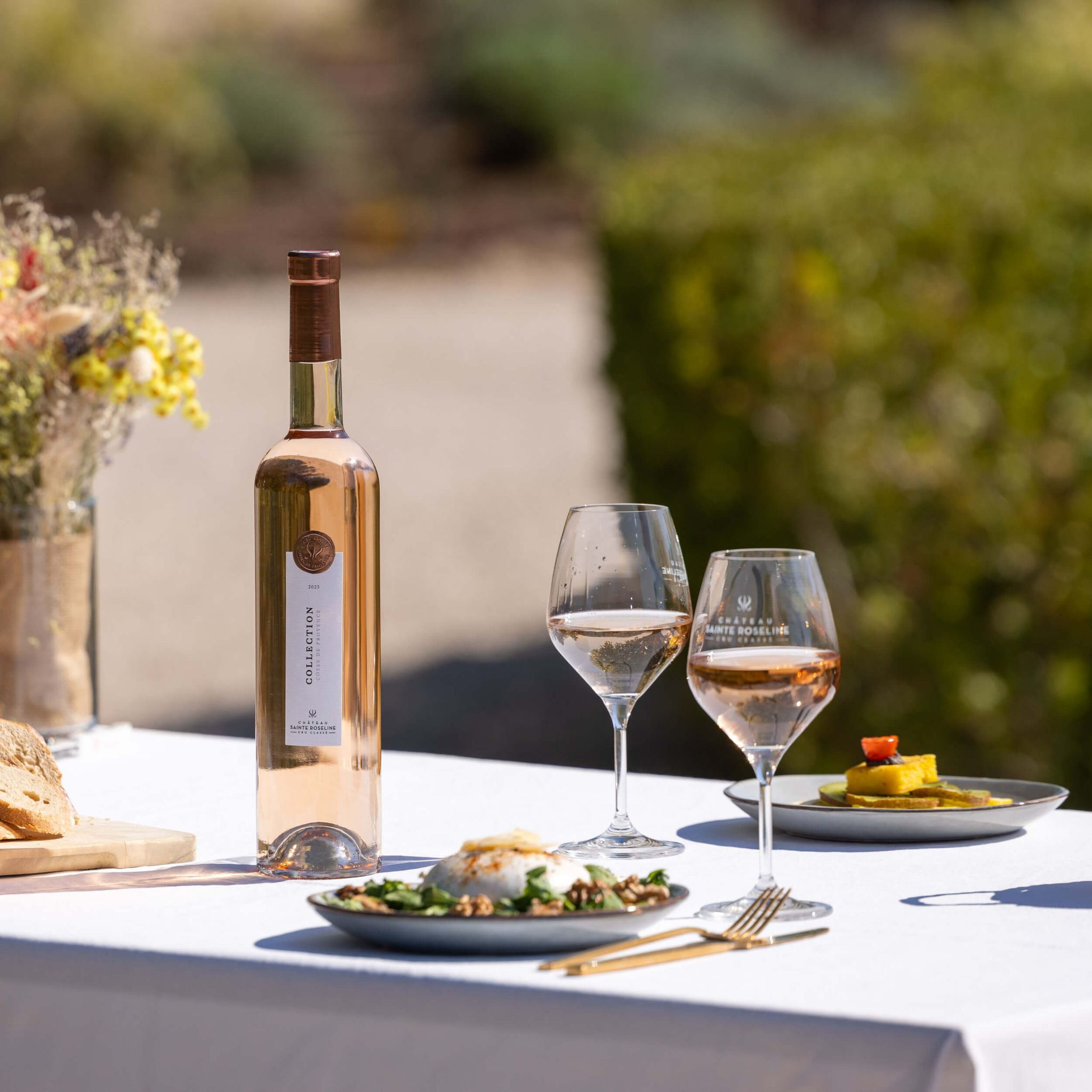
Aurélie Bertin : “The Lampe de Méduse is our emblematic cuvée, created in the 1950s, with a very distinctive bottle.”
More than just a wine, it is a signature. Its bottle — inspired by both a perfume flask and an Alsace-style bottle — already reflects the aesthetic dimension of the estate.
In the glass, the wine expresses a quintessential Provençal style: finesse, elegance and freshness. It is both approachable and precise, equally suited for an aperitif or a light meal.
Alongside it, the Chapelle cuvée offers a more gastronomic interpretation:
“It is a more structured wine, with slight oak aging and a dominance of Mourvèdre.”
More complex and deeper, this wine is designed for the table. It pairs with refined dishes, noble ingredients, and even has aging potential.
Together, these two cuvées perfectly illustrate the philosophy of the estate: offering multiple expressions of rosé — from immediate pleasure to gastronomic experience.
Between family tradition and global openness
Marie-Caroline Ringot : “How does a family estate stand out today?”
Aurélie Bertin : “Large groups help promote Provence worldwide, which is a good thing. But our strength lies in our history and our identity.”
In a context where many estates are backed by international investors, Sainte-Roseline chooses a different path — one rooted in authenticity and human connection.
Here, the estate has a face, a voice, and a clear direction. Its history is not static; it is lived and carried forward.
This approach allows the château to position itself differently:
- as an authentic estate
- as a place of experience
- as a rising reference among family-owned properties
“Today, we are a true gem, with many strengths to become a benchmark family estate in Provence.”
Conclusion: Sainte-Roseline, more than a wine estate
Through this conversation, Château Sainte-Roseline reveals itself as something truly special — a place where everything connects.
An estate where:
- wine is an expression of the land
- history shapes the present
- experience goes beyond tasting
With its iconic wines, remarkable heritage and forward-looking vision, Sainte-Roseline embodies a certain idea of Provence: elegant, vibrant and deeply human.
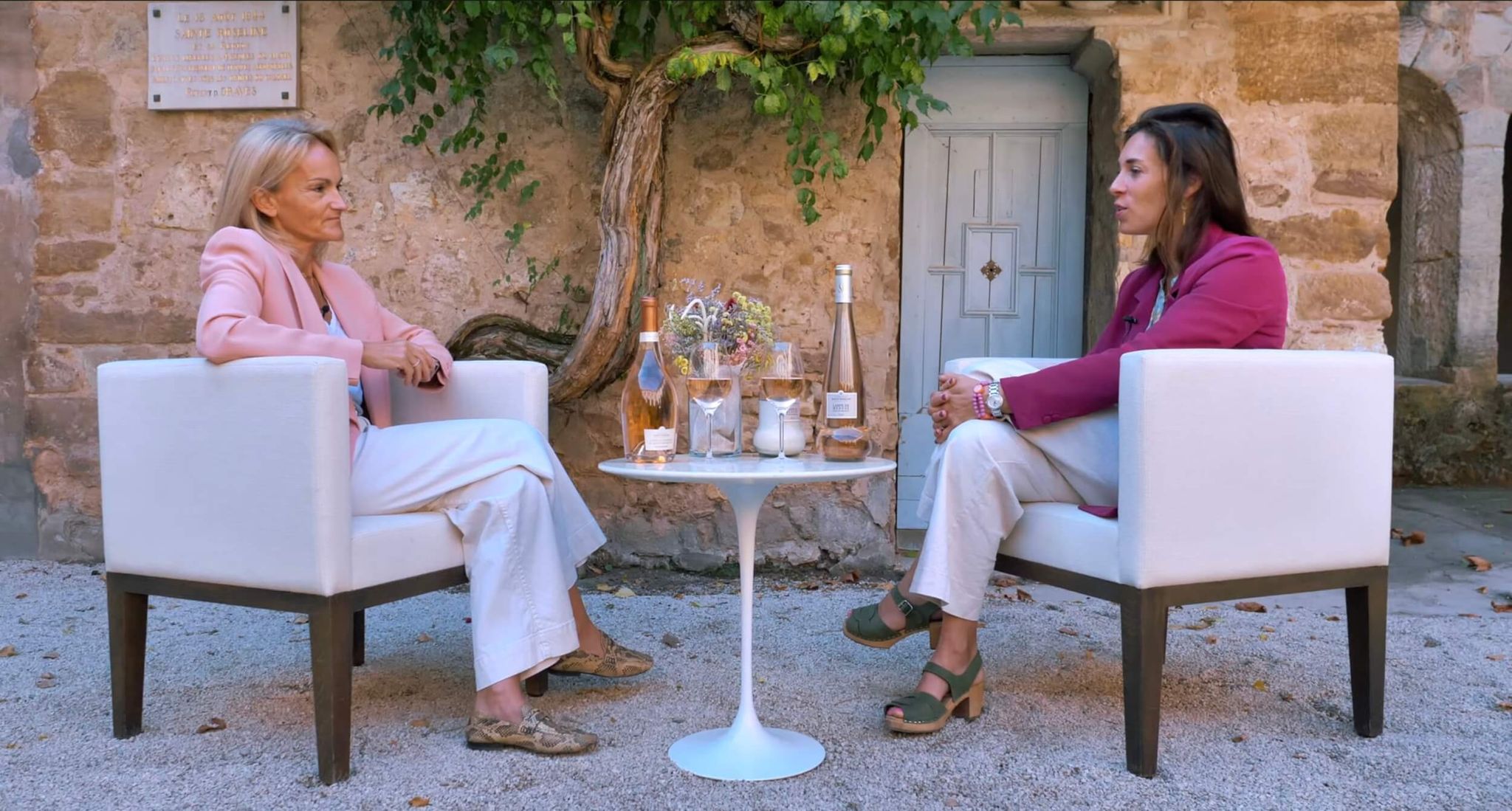
With Face To Face, wine becomes a gateway to connection. And here, perhaps more than anywhere else, it is a story of light, passion and transmission that unfolds.
Watch the conversation between Marie-Caroline Ringot and Aurélie Bertin
Discover the Château Palmer video
Read the Château Palmer article