Clos des Goisses is one of the most iconic terroirs in Champagne, owned by Maison Philipponnat.
Clos des Goisses, a magical terroir
For the Philipponnats, Clos des Goisses, in Champagne appellation, is a family affair. Acquired in 1935 by great-uncle Pierre Philipponnat, this exceptional terroir is famous throughout all of Champagne.

“Everyone knows this hillside in Champagne, because it’s reflected in the ancient waters of the Marne. The reflection in the river forms the silhouette of a champagne bottle. This image has become almost a symbol of the Champagne region.”
Charles Philipponnat, CEO of Maison Philipponnat
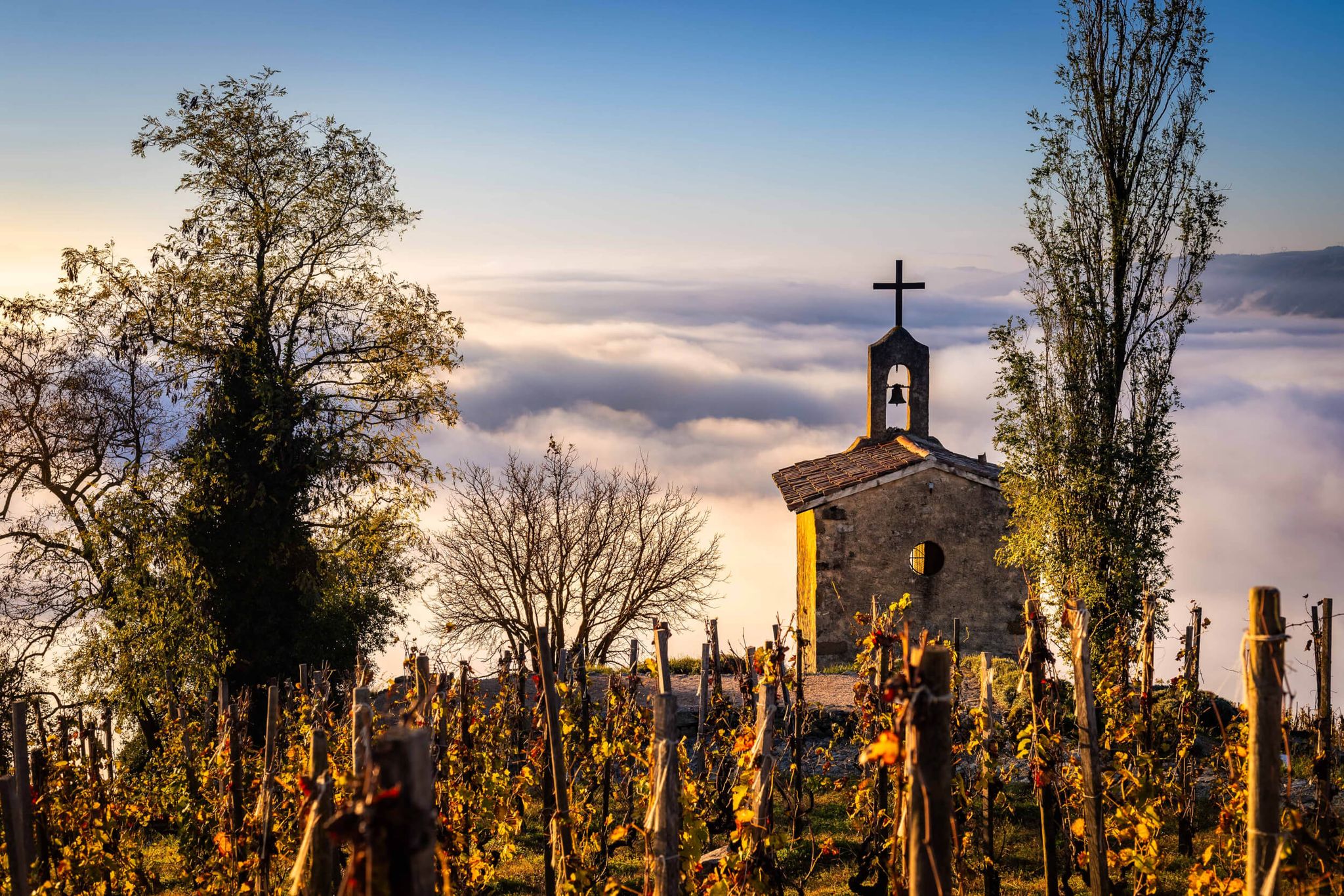
As you get closer to Clos des Goisses, the first impression is visual. The hillside stands out with its spectacular slope, reaching up to 45%, a rarity in Champagne.
This unique topography creates challenging growing conditions, requiring terraces and retaining walls. Fully south-facing, the site also benefits from higher temperatures, around 2°C more than the rest of Champagne.
And that’s where a third distinctive element of this terroir comes in: limestone. “In Champagne, there are very high rates of limestone in the soil compositions,” says the CEO of Maison Philipponnat. “And the result of that is something highly paradoxical, simultaneously extremely ripe, extremely sun-soaked and extremely mineral.”
Clos des Goisses, the first single-terroir wine in Champagne

After being acquired by the Philipponnat family, Clos des Goisses led a revolution in the Champagne approach, producing a terroir-based wine that went against the prevailing tradition of blends in the Champagne appellation at the time. Enough to make Sébastien Moses, owner and co director of Twins, one of the top 5 Bordeaux wine merchants, say, “people must have thought you were crazy!” Charles Philipponnat confirms:
“It was initially very unpopular. I think people criticised us for not doing the same thing as the great Maisons of Champagne, which highlighted their expertise in blending wines. Single terroir is associated with small winemakers. Nowadays, this image has been completely turned upside down.”
Today, there are other great Champagne Maisons that offer single-terroir wines, a shift applauded by the CEO: “They followed us and they were right to do so, because the results are very interesting. In places where you have great terroirs, it’s interesting to try and work with them separately.”
A great gastronomic champagne
While champagne tasting is often associated with moments of celebration, Clos des Goisses is presented as a fine gastronomic wine. The precision with which the grapes – pinot noir and chardonnay – are selected and vinified embodies the Maison’s ambition. “It’s a champagne, but above all it’s a grand vin. So we apply the same approach as you’d apply in a great château in Bordeaux or a fine climat of Bourgogne,” says Charles Philipponnat.

The 5.83 hectares of Clos des Goisses are divided up into 14 parcels. Each year, over 14 wines are vinified separately, before the best elements of the vintage are blended. This means that the quantity produced each year varies greatly, from 3,000 bottles in the more difficult years, up to 40,000 in the better years. The average comes in at around 25,000 bottles.
“The key aspect is what comes from the terroir, the heat and mineral freshness of the limestone. When you taste Clos des Goisses, you’ll find extremely rich fruit, great heat combined with great freshness.”
Charles Philipponnat.
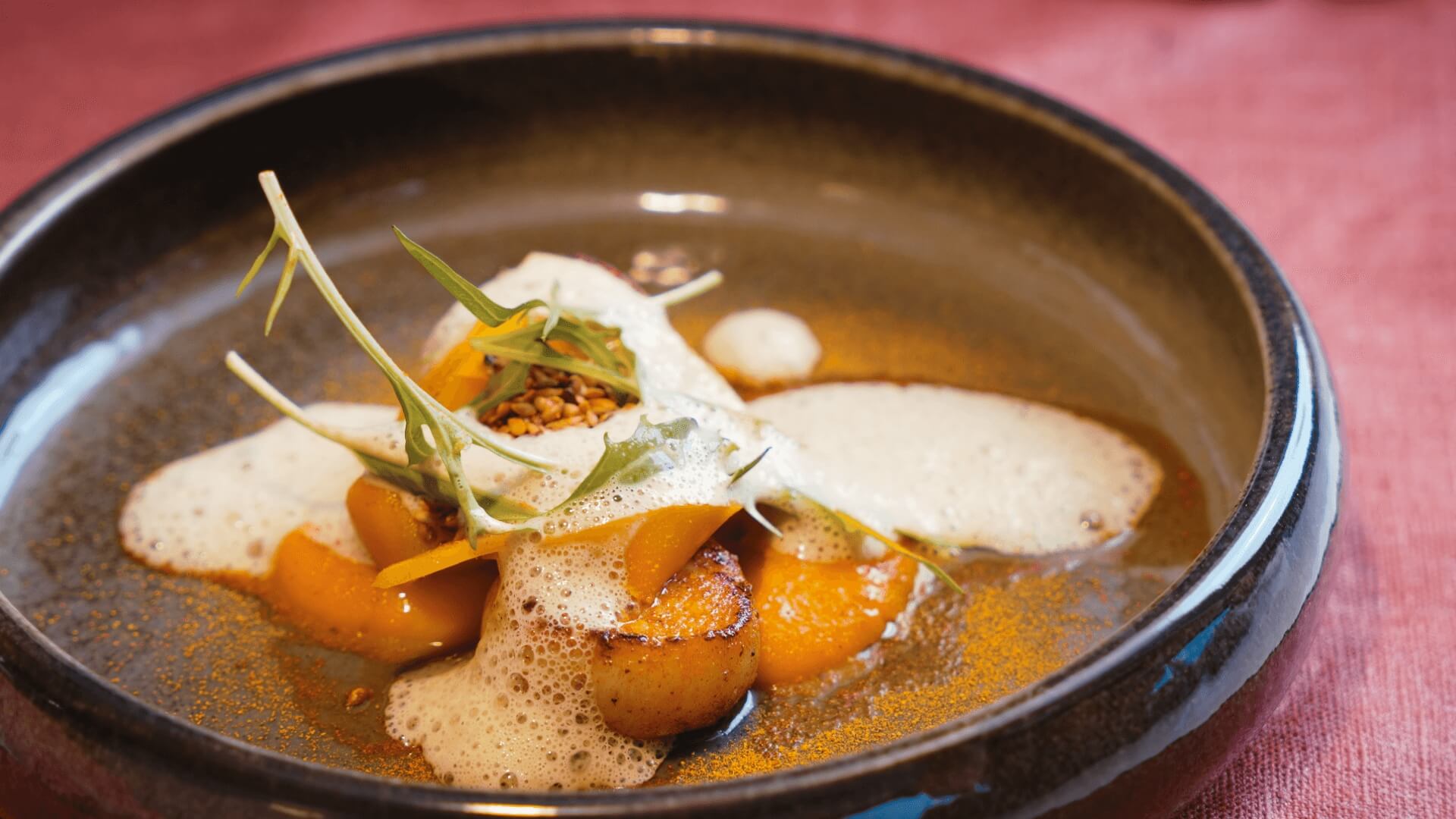
To accompany the 2012 vintage of Clos des Goisses, Chef Arthur Leprovost suggests dived scallops with pickled and pureed pumpkin, hazelnut oil, toasted flaxseed and a coral and scallop emulsion.
A dish that delighted Charles Philipponnat: “Scallops are always wonderful with champagne.”
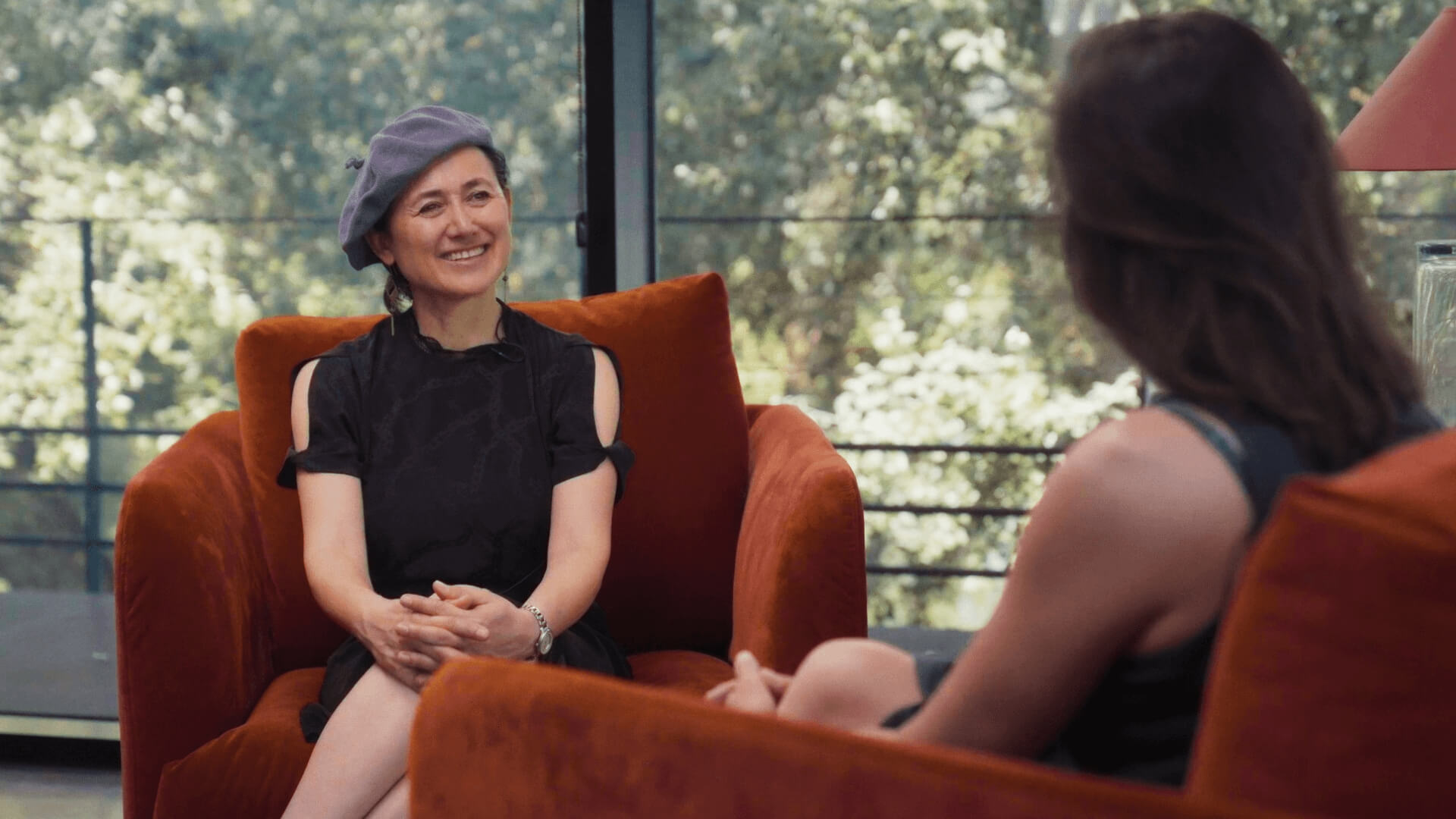
Watch the discussion between Charles Philipponnat and Sébastien Moses.
Access to Clos des Goisses website.
Access to Philipponnat website.