TWINS GIVES ITS OPINION No. 2
The wine merchant buys, selects, sometimes ages and distributes the wines of the estates, in France and around the world. Neither a winegrower nor a mere reseller, they are the link that carries a bottle from the cellar to the table. In Bordeaux, they handle the greater part of sales. Here is how they work, and why it matters to you.
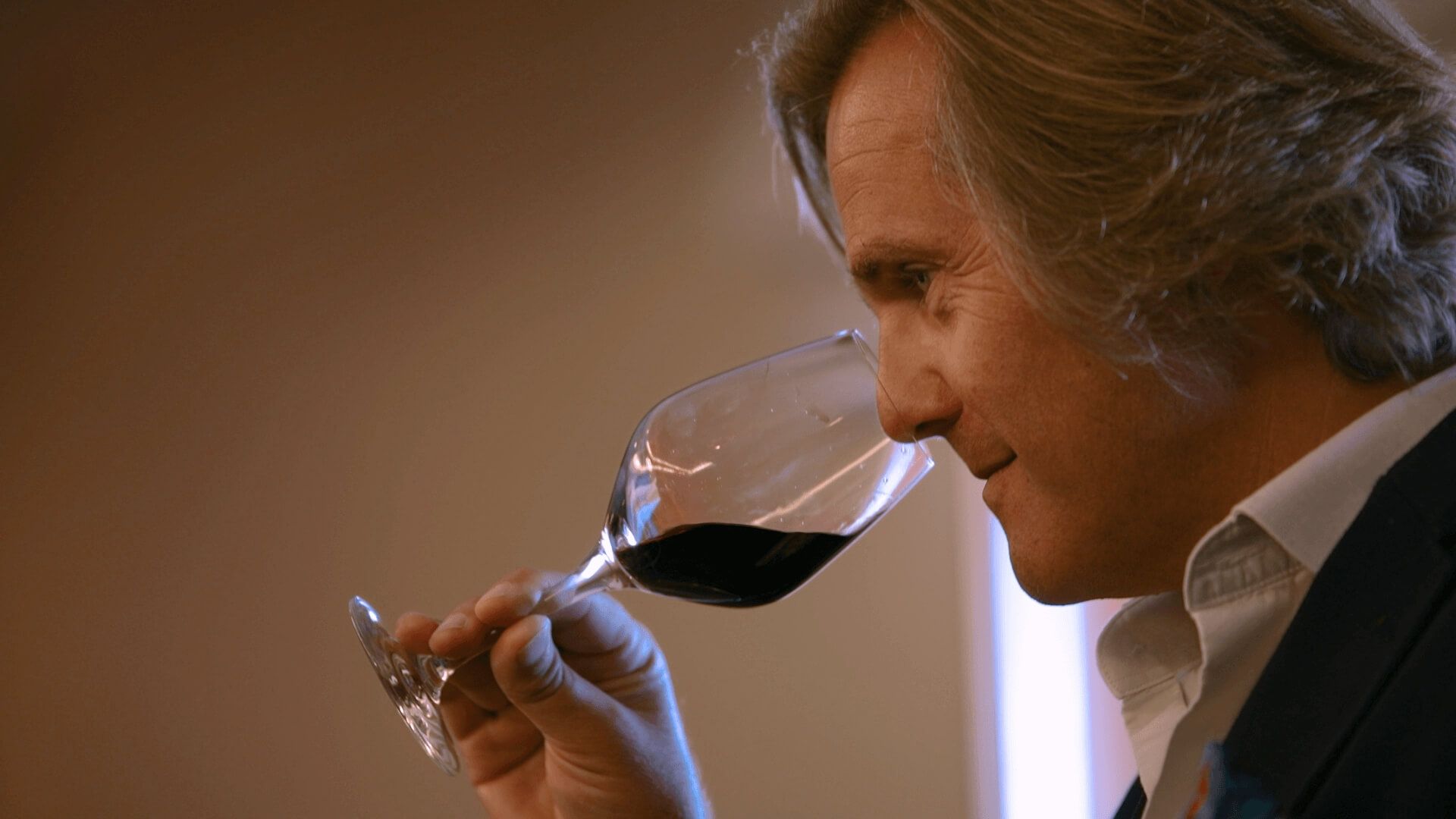
What is a wine merchant? At Twins, wine merchants for more than 30 years, we are often asked. Here is an honest answer.
If you take an interest in Bordeaux wine, you will certainly have come across the word. And each time, the same hesitation: a reseller? A middleman? A selector?
La Place de Bordeaux is the largest wine exchange in the world. Yet the wine merchant’s role remains poorly understood, even by seasoned enthusiasts. Time to see clearly.
What Is a Wine Merchant? A Key Link in the Wine Trade
A wine merchant (négociant, as the French say) buys wine from producers — châteaux, estates, cooperatives — to sell it on to distributors, wine shops, restaurants and importers.
They are not winegrowers: they do not necessarily own vineyards. They are not, however, mere resellers: they select, advise, sometimes age the wines, guarantee their traceability and organise their distribution, in France and abroad.
In the broadest sense, a merchant trades in goods. Applied to wine, the term means far more: an expert who adds genuine value to the chain. In Bordeaux, the profession is governed by precise rules and a recognised legal status.
Two main families coexist.
The producer-merchant owns vineyards or buys wine in bulk or in bottle from estates. They age it, sometimes blend it, then sell it under their own label or that of the château.
The distributor-merchant focuses on selling wines already bottled by the châteaux.
In short — A wine merchant selects, buys and distributes wines through qualified networks, in France and internationally. Without them, a grand cru classé could not find its way, tomorrow, onto a restaurant’s list in Tokyo or a wine shop’s shelf in New York.

La Place de Bordeaux: A System Unlike Any Other
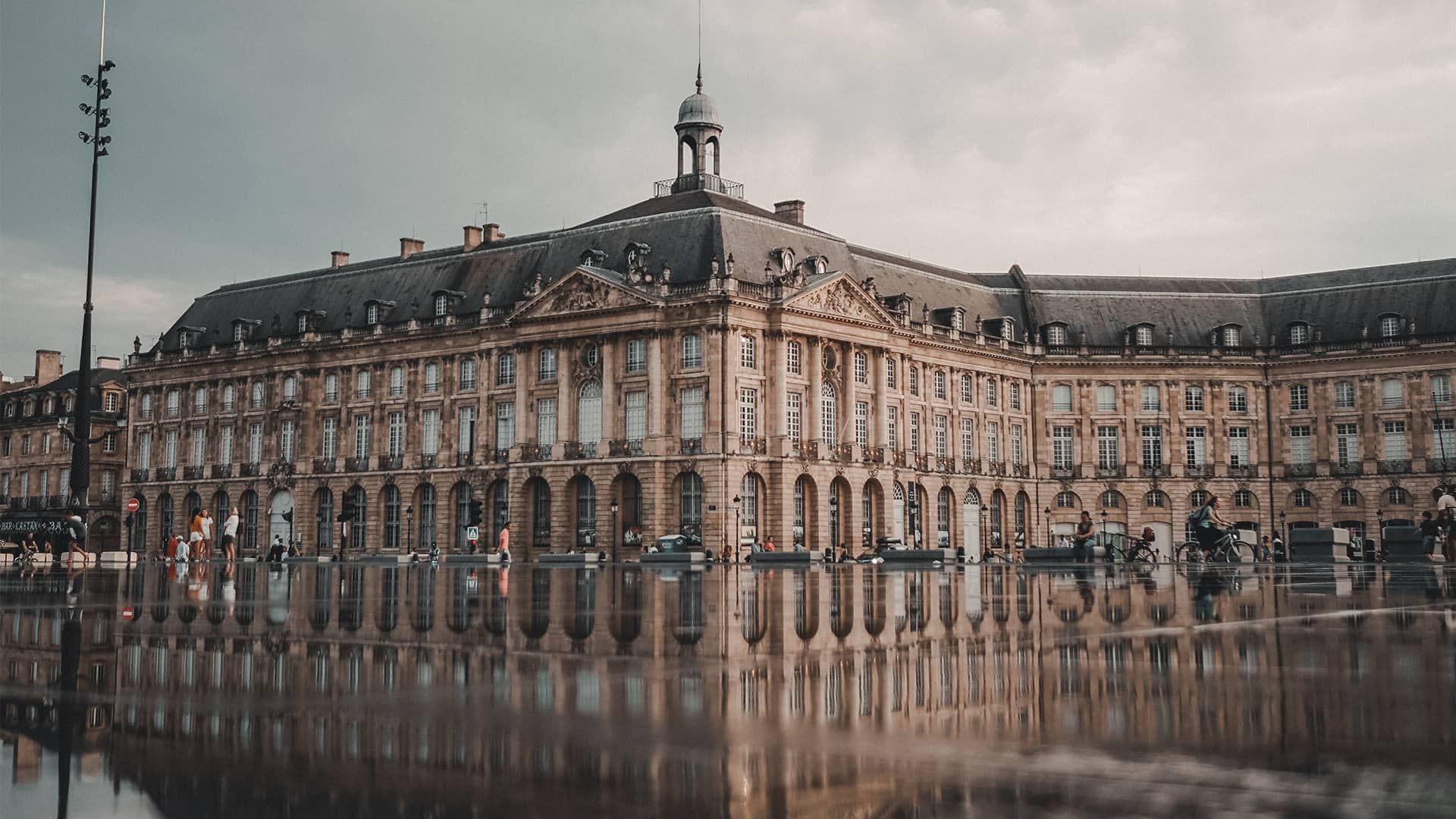
What sets Bordeaux apart from the rest of the wine world is a system born in the eighteenth century: La Place de Bordeaux. Three players, three roles, and no one plays all three at once.
- The château makes its wine and sets its price.
- The broker (courtier), a neutral intermediary, brings the parties together and ensures a fair transaction.
- The wine merchant buys, stores and distributes across the world, carrying the commercial and financial risk.
The château (almost) never sells directly to wine shops or restaurants. The wine merchant is the first link in the distribution of Bordeaux wines.
No other region works this way: in Burgundy or Champagne, estates often sell direct. In Bordeaux, more than 70% of wines still pass through La Place, including almost every grand cru classé.
Nearly 300 merchant houses share the same rules of the game and the same promise: to carry Bordeaux wine to every market in the world.
Vigneron (Winemaker), Château, Wine Merchant: Who Does What?
| Role | What they bring you | |
|---|---|---|
| Vigneron
(Winemaker) |
Grows the vines, makes and sells the wine. Not to be confused with the Viticulteur (Vinegrower), who only tends the vines. (see the article on this subject)
|
Wine from their own terroir, a personal signature |
| Château, estate or domaine |
Uses only grapes from its own property
|
An identity, a cru, a classification, a history |
| Wine merchant |
Selects, buys, sometimes ages, distributes worldwide
|
Access to rare wines, expertise, guaranteed origin |
These roles can overlap. Some châteaux have their own merchant house; some merchants own vineyards. Yet the line remains clear: producing is one profession; distributing is another.
To decide how best to buy a grand cru, read our article Wine Merchant or Château: Where Should You Buy Bordeaux Wine?
The Wine Merchant, Day to Day
The wine trade is often imagined as opaque, all telephone calls and bottles changing hands. In reality, it is a highly structured profession. And a demanding one.
Selecting: The Eye and the Palate Above All
A wine merchant tastes. A great deal. Several hundred wines a year, sometimes more than a thousand during the en primeur season. This is what allows them to spot hidden gems and anticipate trends.
Buying: A Real Financial Commitment
Buying a grand cru en primeur means committing considerable sums without knowing whether the market will follow. The wine merchant advances the funds, sometimes holds stock for years, and answers for the wine to their clients.
Ageing, Bottling, Guaranteeing
For wines bought in bulk: barrel ageing, blending, bottling. For wines already bottled: traceability, temperature-controlled storage, secure transport and customs.
Distributing: Opening a Road for Every Wine
Importers, wine shops, restaurants on every continent: the wine merchant knows the tastes and the rules of each market. They do not simply sell a bottle; they accompany it all the way to the final consumer.
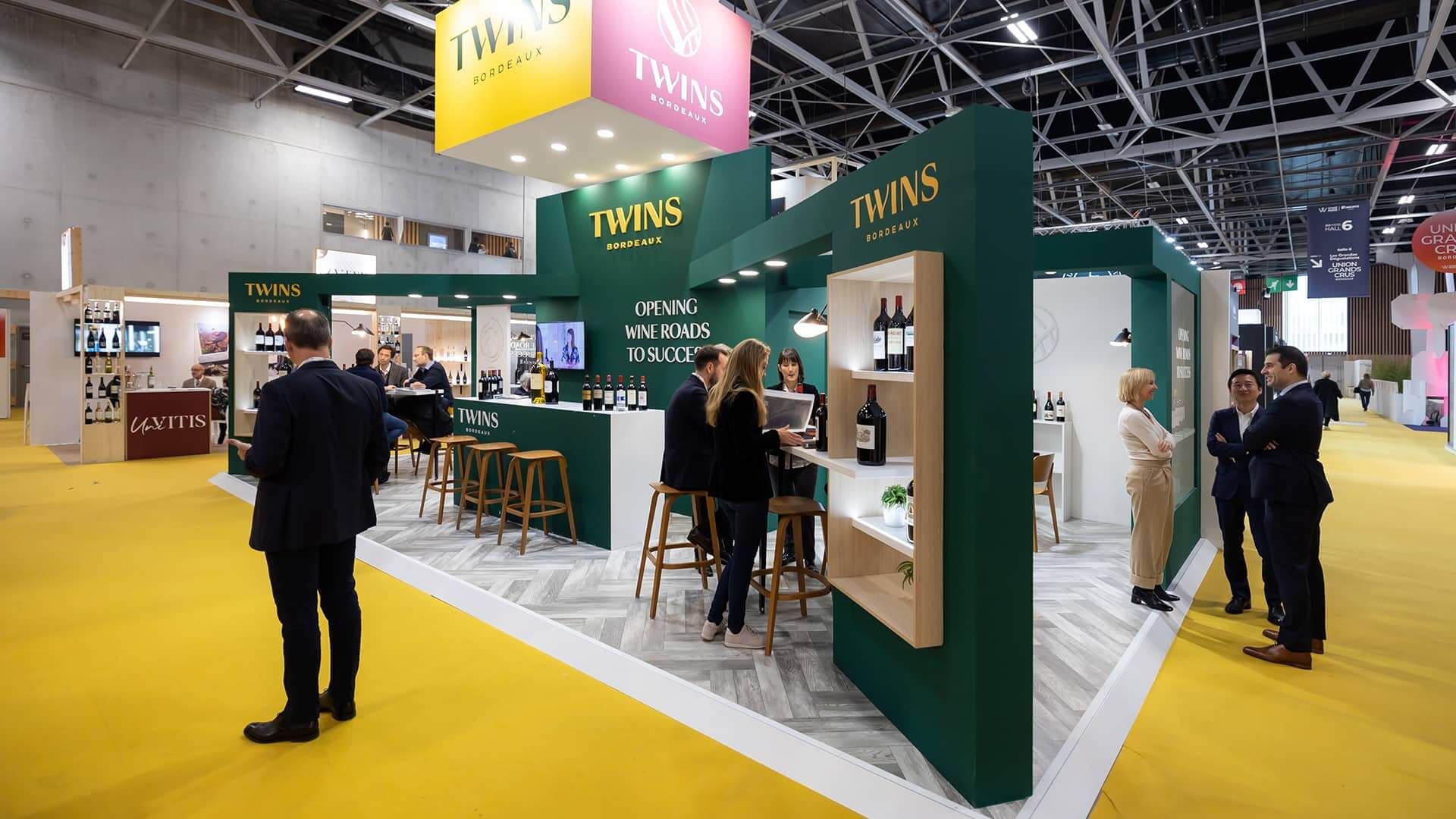
At Twins, we taste, select and buy in our own name: more than 500 estates direct, more than 80 countries. At every link in the chain, our name is at stake.

Why Buy Bordeaux Wine Through a Wine Merchant?
Let us put the question plainly: why not buy straight from the château? Three concrete reasons.
Access
Many grands crus do not sell direct. A Pétrus, a Cheval Blanc, an Yquem: you cannot order a case from the château’s website. These wines go through La Place, and therefore through wine merchants.
Selection
A château sells only its own wine. A wine merchant offers you the finest vintages, worthwhile second wines, confidential discoveries. Enough to save you time and spare you mistakes.
Trust
Fine wine is exposed to counterfeiting, particularly abroad. An approved wine merchant means a short, verifiable chain of traceability, and a contact who knows you and remains within reach.
What few people realise is the price: buying through a wine merchant does not necessarily make wine more expensive. They buy in volume, at the price set by the estate, and often open access to grands crus on better terms.
One last advantage, too often overlooked: advice. Knowledge of vintages is built over years of tasting.
In Summary
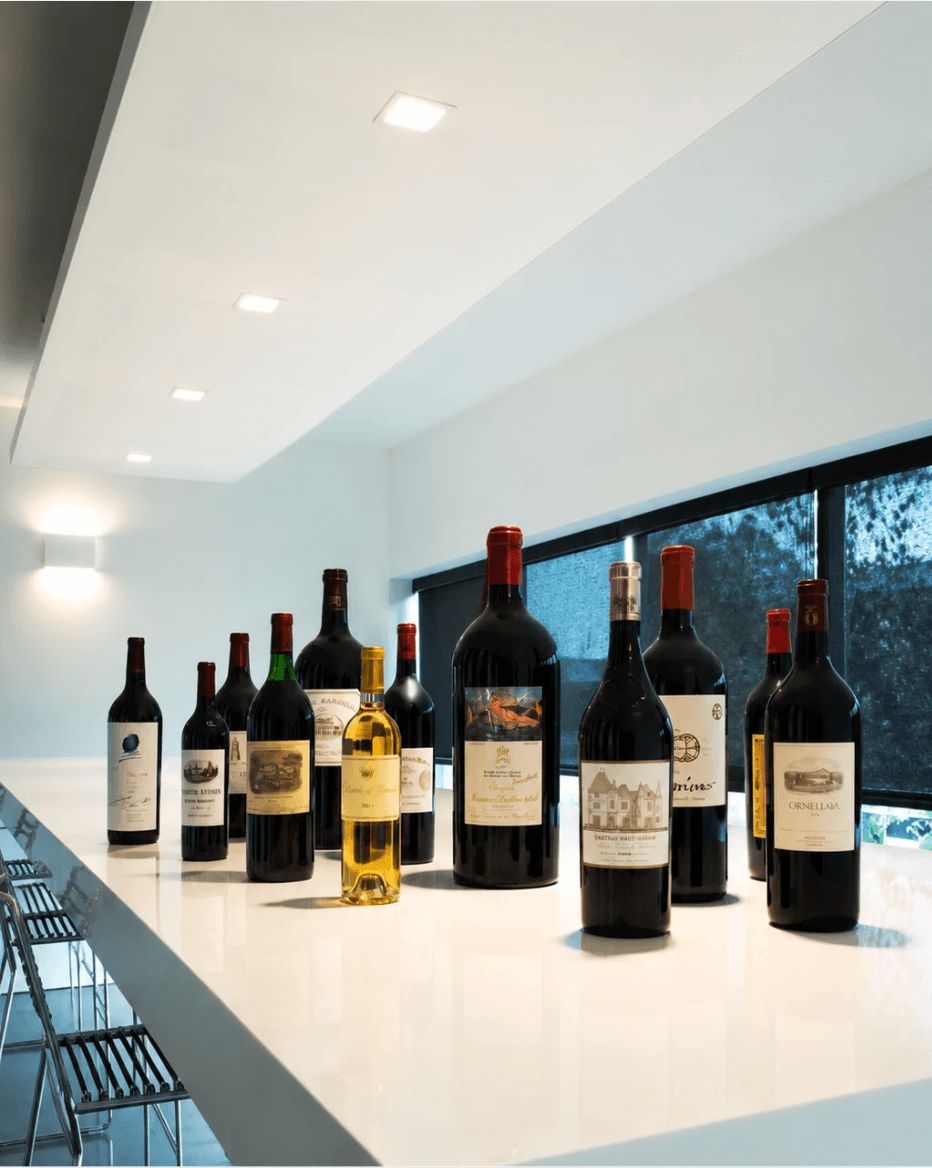
A wine merchant in Bordeaux is far more than a reseller: a selector, a committed buyer, a guarantor of quality and a discoverer of markets, standing between the know-how of the châteaux and wine lovers the world over. At the heart of La Place de Bordeaux, that château–broker–merchant trio found nowhere else, they explain why Bordeaux wines travel so well, and why a grand cru classé has several professions behind its label. Buying through them means gaining access, selection, guaranteed origin and advice. At Twins, we have practised this profession with passion for more than 30 years, building lasting relationships of trust with the châteaux on one side, and with discerning enthusiasts and professionals on the other.
Frequently Asked Questions
Does a wine merchant own vineyards?
Not necessarily. Some houses do, and are then both producers and merchants; others buy their wine solely from the estates.
What is the difference between a wine merchant and a broker?
The broker is a neutral intermediary who brings châteaux and merchants together and ensures the transaction is fair. The wine merchant, for their part, buys the wine, stores it and distributes it.
Is it more expensive to buy from a wine merchant than from the château?
Not necessarily. The wine merchant buys in volume, at the price set by the estate, and often provides access to grands crus on terms one could not obtain alone.
Can you buy a grand cru directly from the château?
Rarely. Almost every grand cru classé is distributed through La Place de Bordeaux, and therefore through wine merchants. We compare the two routes in our article Wine Merchant or Château: Where Should You Buy Bordeaux Wine?