TWINS GIVES ITS OPINION No. 1
The grapegrower grows the vines. The winegrower grows the vines and makes the wine. The grapegrower (‘récoltant’ in French) is not a profession but a legal term, indicating that the wine was made from the grapes of the person who grew them. The wine merchant, for their part, buys, ages, blends and sells. Four roles, four distinct realities — and a perennial source of confusion. Allow us to set the record straight.
The table that settles the matter
| Role | Grows vines? | Makes wine? | Sells wine? | |
|---|---|---|---|---|
| Grapegrower | Grows grapes | Yes | Not always | Not always |
| Winegrower | Grows and makes wine | Yes | Yes | Usually |
| Grapegrower (‘récoltant’ in French) |
Legal term: wine from one’s own harvest | Yes | Usually | Yes |
| Wine merchant | Buys, ages, blends and sells | Not always | Sometimes | Always |
If you only have thirty seconds, this table is all you need. As for the rest, here’s what lies behind each word.
THE GRAPEGROWER: THE ONE WHO GROWS
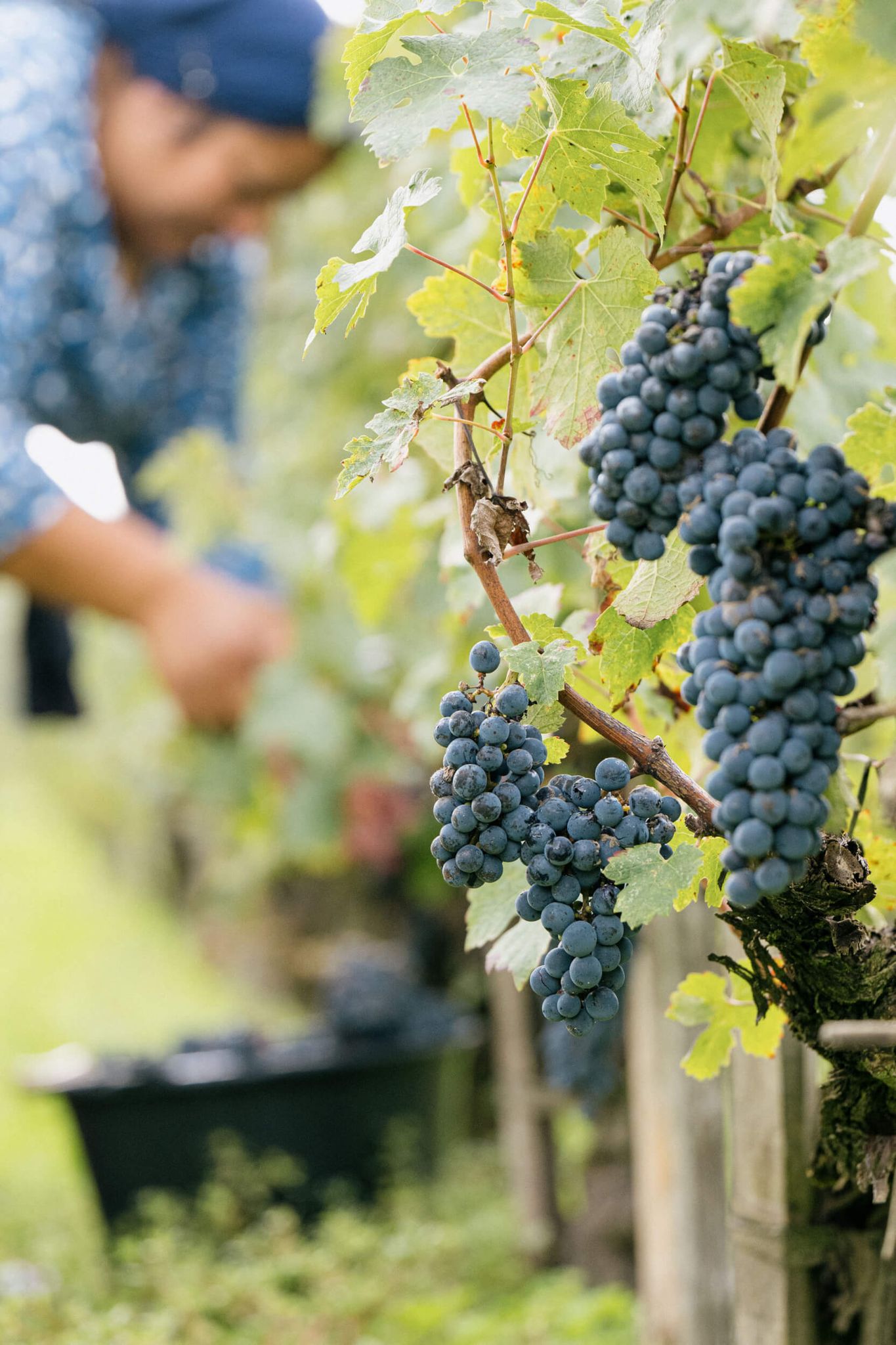
The grapegrower produces grapes. It is an agricultural profession in the strictest sense: pruning, trellising, treatments, soil management, harvest. The raw material is the vine; the finished product, the bunch.
What many overlook: a grapegrower does not necessarily make wine. A significant share of French production is sold as grapes — to a cooperative, to a winemaker or to a wine merchant. The grapegrower delivers the harvest, is paid by weight and potential alcohol, and there it ends.
It is a perfectly rational economic choice. Making wine requires a cellar, vats, a press, storage capacity, and the financial reserves to wait twelve to twenty-four months before the first euro comes in. Not every grower has the acreage, or the means, to do so.
THE WINEGROWER: THE ONE WHO GROWS AND MAKES THE WINE
The winegrower sees the chain through to the end. They tend the vines, harvest, vinify, age, and more often than not bottle and sell under their own name.
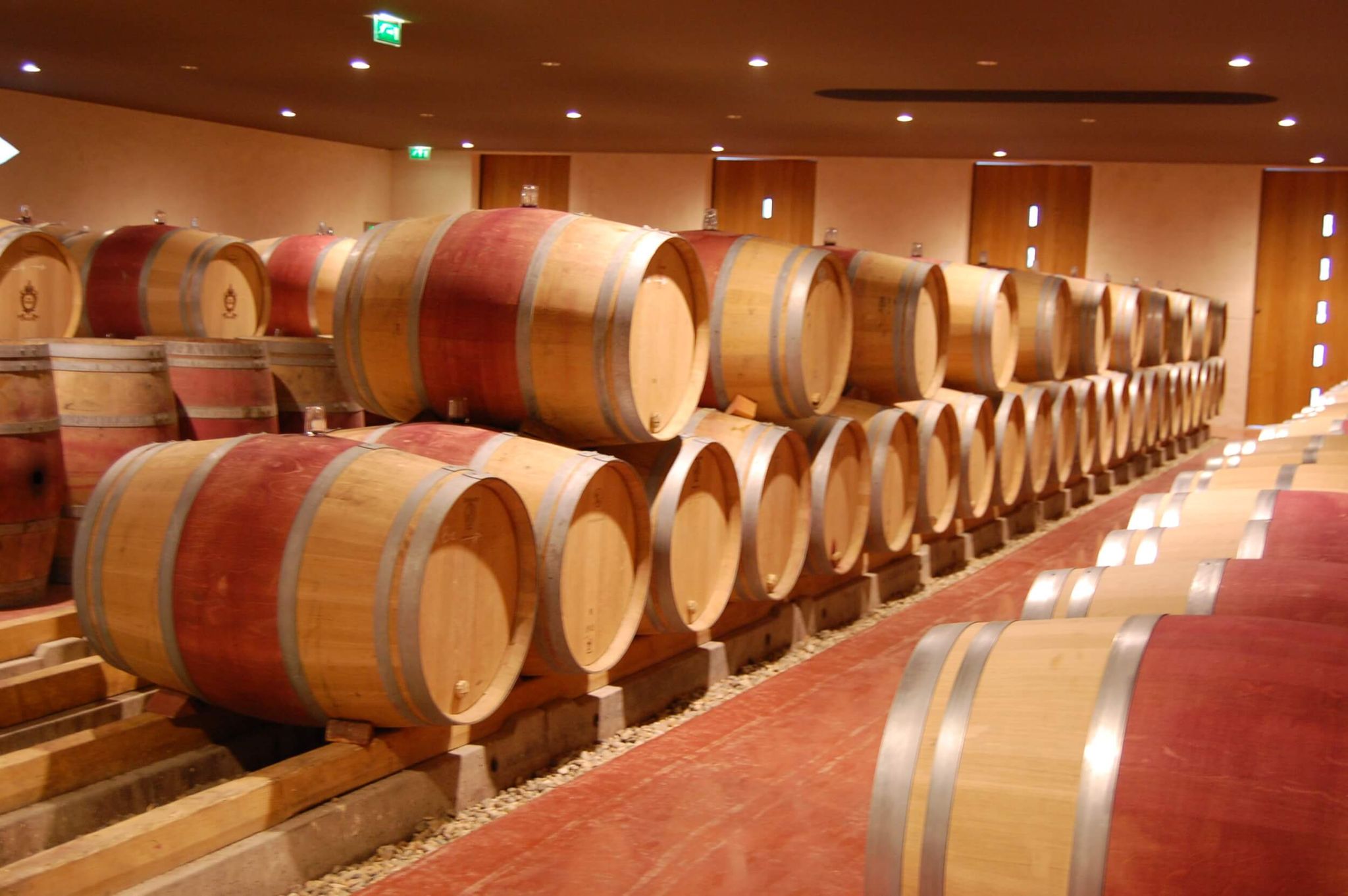
The difference from the grapegrower therefore comes down to one thing: the winegrower takes charge of the winemaking. This is where the essence of their professional identity lies. Two neighbouring winegrowers, on similar plots, with the same grape varieties and the same vintage, will produce two different wines. Winemaking decisions — harvest date, extraction, choice of yeasts, type of ageing, time in barrel — are the decisions of an author.
The word also carries a cultural weight that ‘grapegrower’ does not. To say ‘I am a winegrower’ is to lay claim to a signature. That is also why the term is sometimes used rather loosely, including by growers who do not make their own wine.
THE GRAPEGROWER (‘RÉCOLTANT’ IN FRENCH): A LEGAL TERM, NOT A PROFESSION
This is the point almost no one explains properly and yet it is the one that matters most when choosing a bottle.
A word of caution: in English, the same term, grapegrower, translates both ‘viticulteur’ and ‘récoltant’. Yet the two do not mean the same thing. The first designates a profession, that of growing vines; the second, a legal status that appears on the label.
The grapegrower (‘récoltant’ in French) is not a profession. It is an administrative status, certifying that the wine was made from the harvest of the person declaring it. You will never meet anyone who introduces themselves as ‘a récoltant’ the way one might say ‘I am a baker’. You will, however, find the term on labels, in harvest declarations and in the documents that accompany wine in transit.
Its purpose is simple: to guarantee traceability between the plot and the bottle. Where a wine merchant may blend wines of several origins, the récoltant bottles only what their own vines have yielded.
In Champagne, this logic is taken to its natural conclusion, with a system of mandatory initials on the label: RM (récoltant-manipulant) for a grapegrower who makes and sells their own Champagne, NM (négociant-manipulant) for a wine merchant who buys grapes or wine to produce their own, and CM (coopérative de manipulation) for a cooperative that makes Champagne from its members’ grapes. In Bordeaux, the system is less codified — which is precisely why it pays to know how to read a label.
DECODING A LABEL IN THIRTY SECONDS
Three mentions tell you who did what. They are printed in small type, often at the foot of the back label, and they say more than everything else on it.
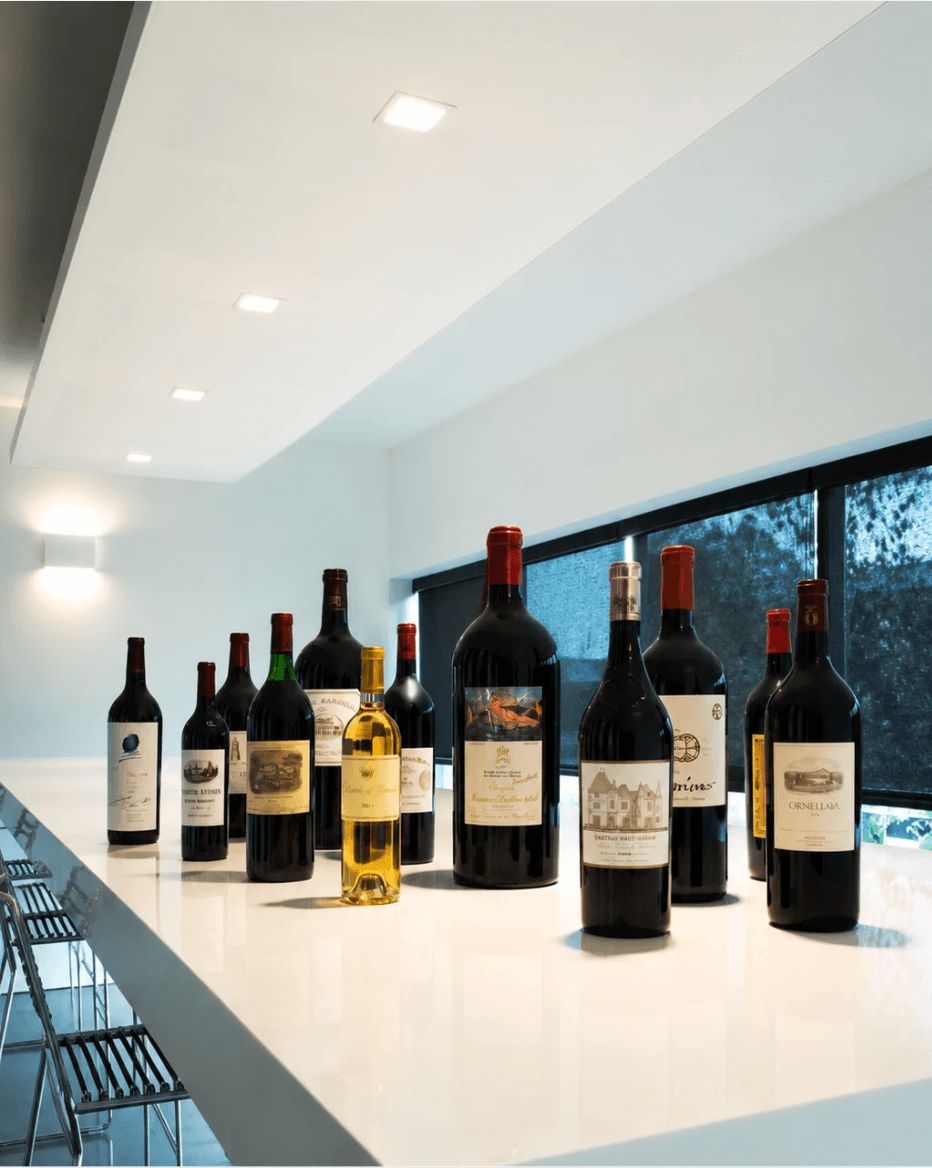
- ‘Mis en bouteille à la propriété’, ‘au château’, ‘au domaine’ (bottled at the property, château or estate) — the wine was bottled where it was produced, by the one who grew the grapes. This is the most binding mention: it guarantees that the bottle and the vineyard share the same address.
- ‘Mis en bouteille par…’ followed by a name and address (bottled by…) — the wine was bottled by an operator who is not necessarily the producer. Read the name: it is often that of a wine merchant or a producers’ union.
- ‘Mis en bouteille dans la région de production’ (bottled in the region of production) — the wine was bottled within the region, with no further detail. The least informative of the three.
A word to clear up a misunderstanding: none of these mentions is an indicator of quality. A wine bottled at the property may be mediocre, and a wine bottled by a wine merchant may be remarkable. These mentions tell you about the route, not the contents. Confusing the two is the most common mistake among buyers.
AND WHERE DOES THE WINE MERCHANT FIT IN?
The wine merchant is the link these definitions always forget, even though, in Bordeaux, the wine trade accounts for the bulk of wine sales.
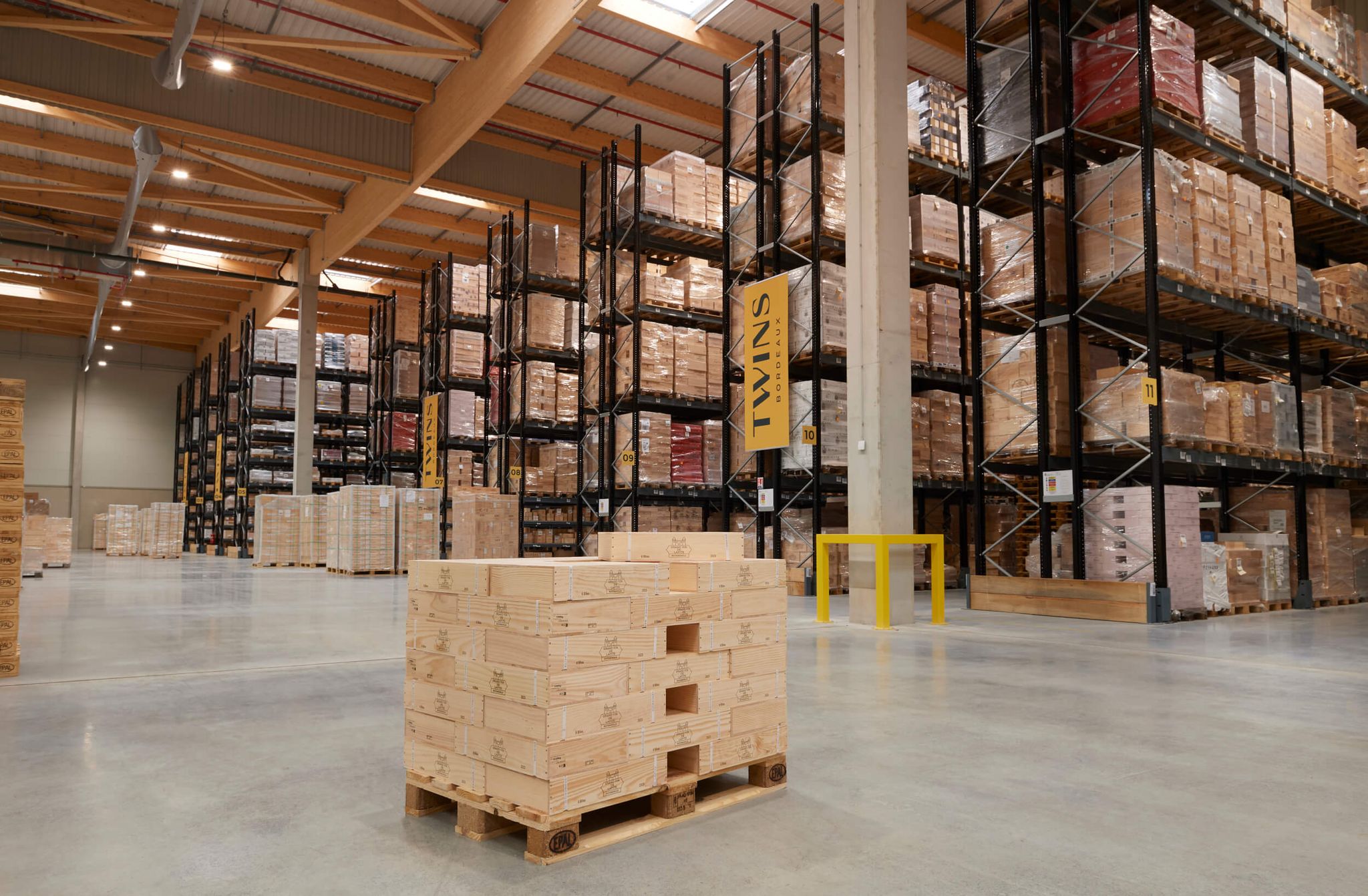
Their trade: buying wine, sometimes grapes, sometimes must, ageing it where necessary, blending, bottling and selling it, in France and abroad. When they carry out the ageing themselves, the French speak of a ‘négociant-éleveur’; when they make the wine, of a ‘négociant-vinificateur’. Some houses also own vineyards and are therefore growers and wine merchants at once.
What the wine merchant brings that no one else does: the ability to select across dozens of estates, consistency of supply over time, logistics that allow a wine from Saint-Seurin-de-Cadourne in France to reach Tokyo, and financial risk — the stock is bought, paid for and kept.
This is our trade. We explain it in detail in our article on the wine merchant in Bordeaux, and in the one comparing buying direct from the château with buying through a wine merchant.
FREQUENTLY ASKED QUESTIONS
What is the difference between a winegrower and a grapegrower?
The grapegrower grows vines and produces grapes; they do not necessarily make wine and may sell their harvest. The winegrower grows vines and makes wine from their own grapes. Winemaking is the dividing line between the two.
Does a winegrower necessarily own their vines?
Not always. They may work plots under tenancy or sharecropping arrangements (fermage or métayage). What defines a winegrower is that they tend the vines and make wine from the grapes, not the title deed.
What does ‘récoltant’ mean on a label?
That the wine was made from the declarant’s own harvest, not from bought-in wine or grapes. It is a mark of traceability, not a seal of quality.
What is the difference between a winegrower and a wine merchant?
The winegrower makes their own wine from their own vines. The wine merchant buys wine or grapes from several producers, ages and blends them where appropriate, then sells them. Some houses do both.
Is ‘Mis en bouteille à la propriété’ a guarantee of quality?
No. It indicates where and by whom the wine was bottled, not how it was made. It tells you about the route, not about what is in the bottle.
Can a grapegrower become a wine merchant?
Yes, and it is common in Bordeaux. The wine trade is a regulated activity that requires, among other things, a specific tax status with the customs authorities. We set out these conditions in our article on how to become a wine merchant.