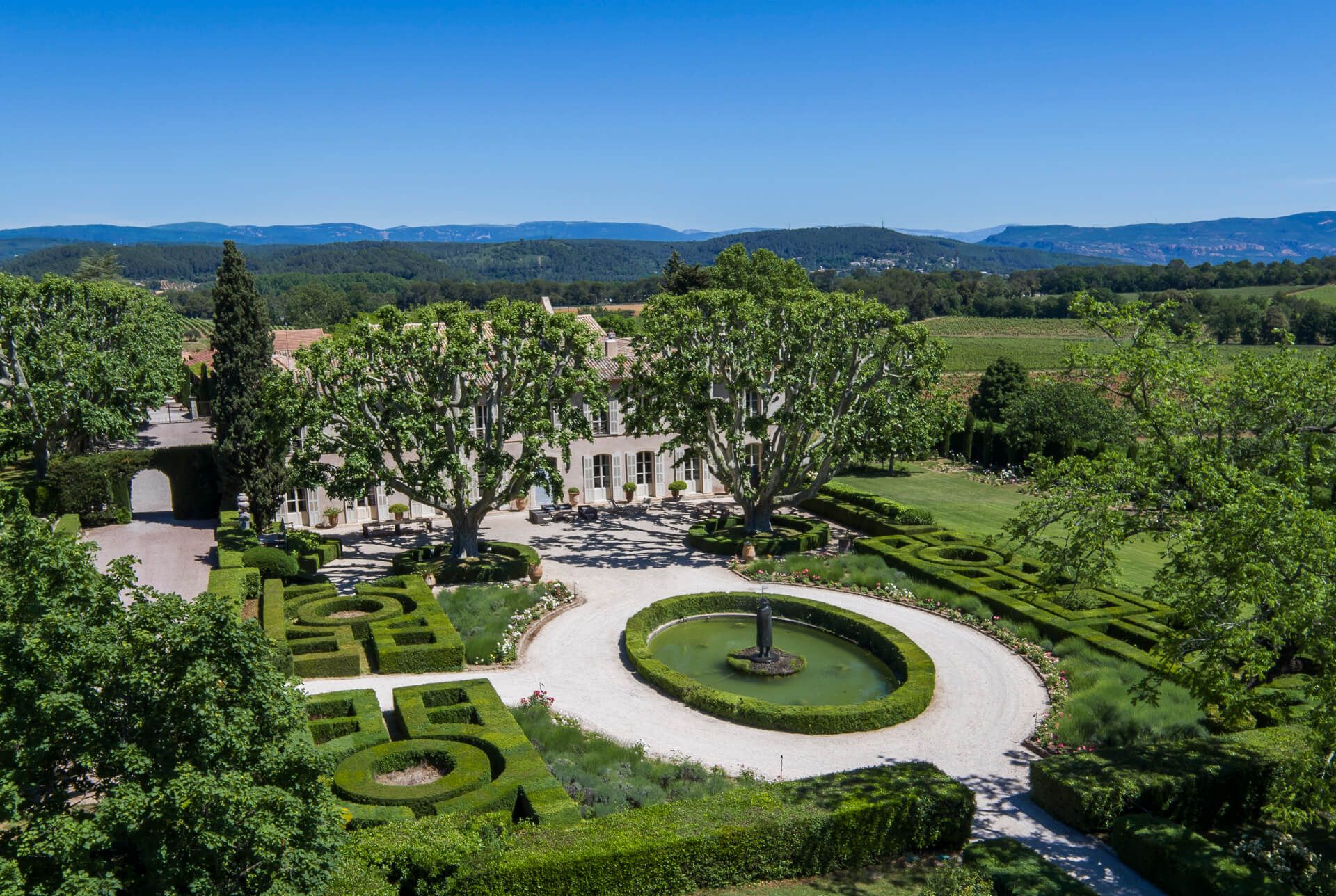
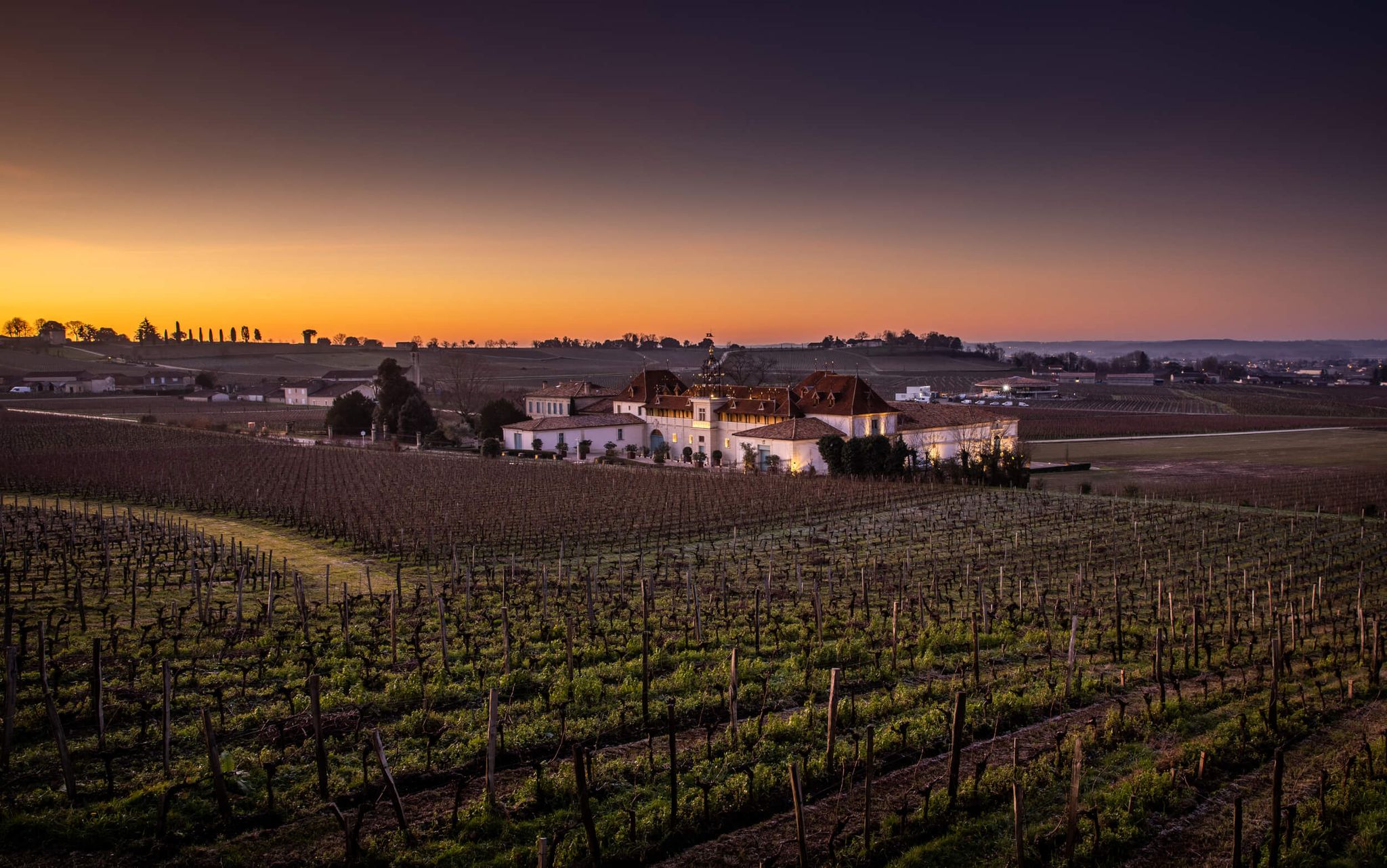
Climate change in Bordeaux is reshaping vineyards, grape varieties and winemaking practices across the region.
Climate change in Bordeaux vineyards
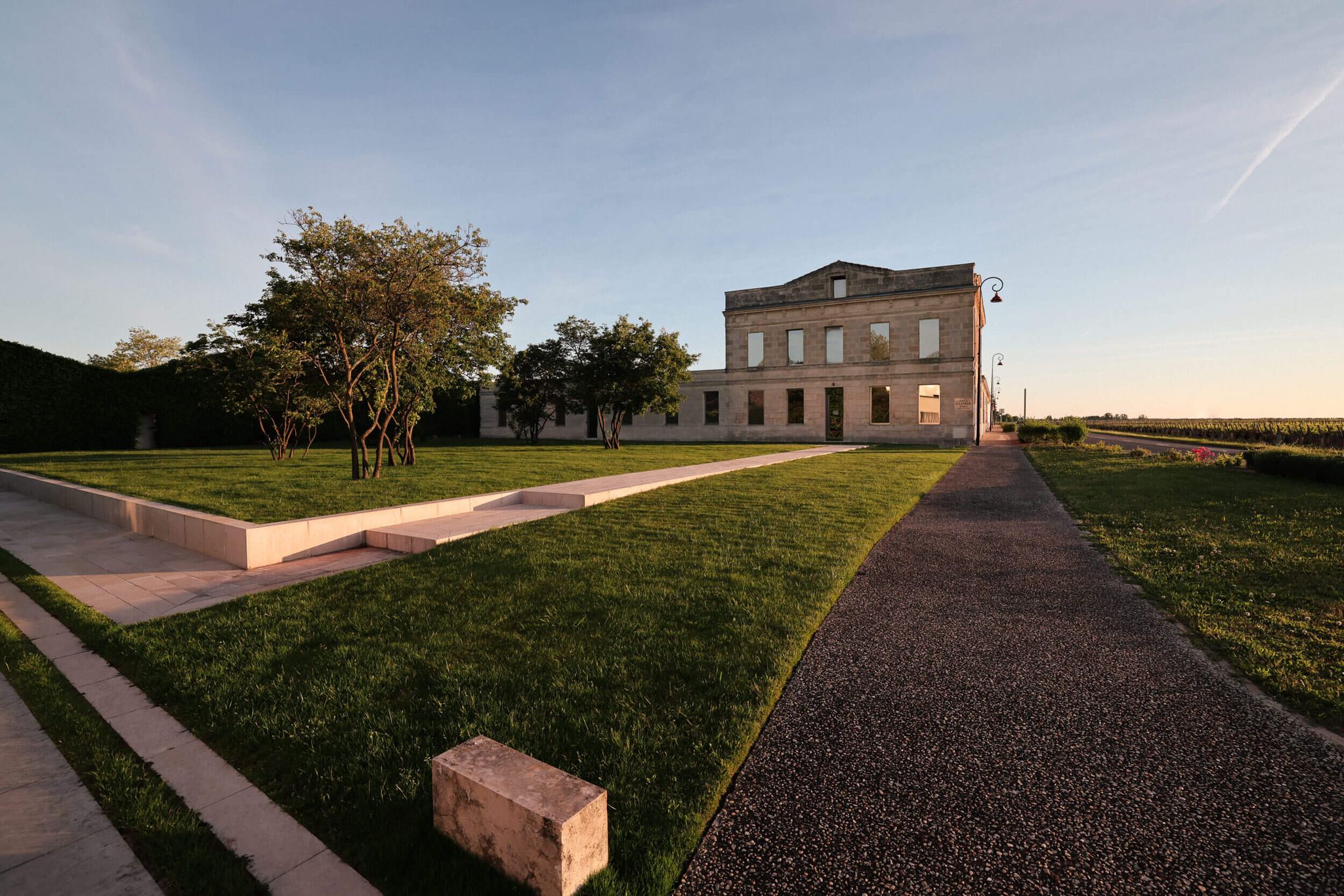
Climate change in Bordeaux is creating new challenges for winemakers.
Climate change is now a reality affecting wine regions worldwide. Irregular rainfall and extreme weather events are creating major challenges for viticulture.
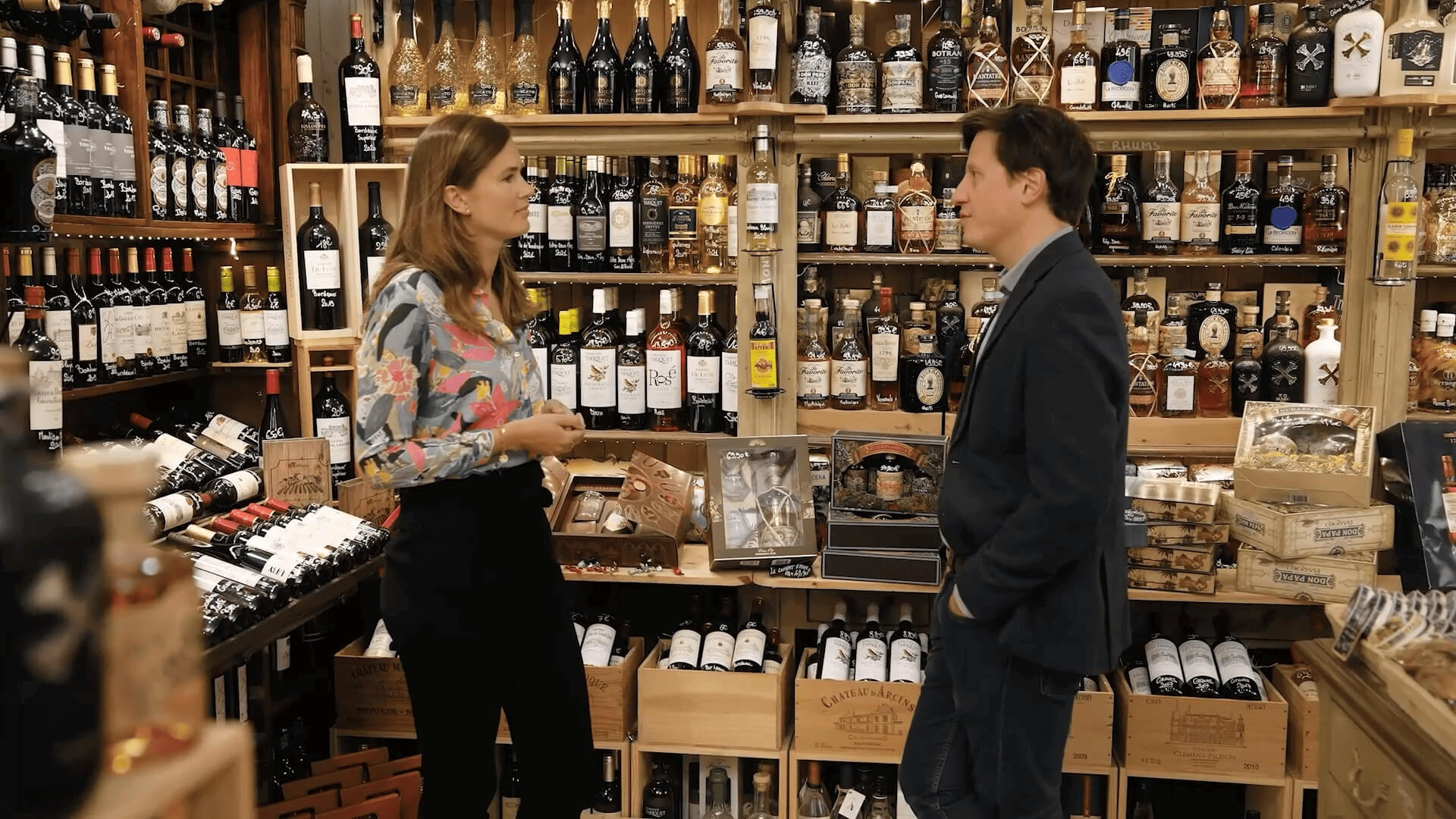
In Bordeaux, Axel Marchal has observed a series of vintages that no longer match the region’s traditional climate patterns.
‘There has been a fairly significant and ongoing increase in grapes’ sugar content and a drop in acidity levels. The latter is less stark, and in any case is heavily dependent on the terroir.’
Axel Marchal, Consultant Oenologist
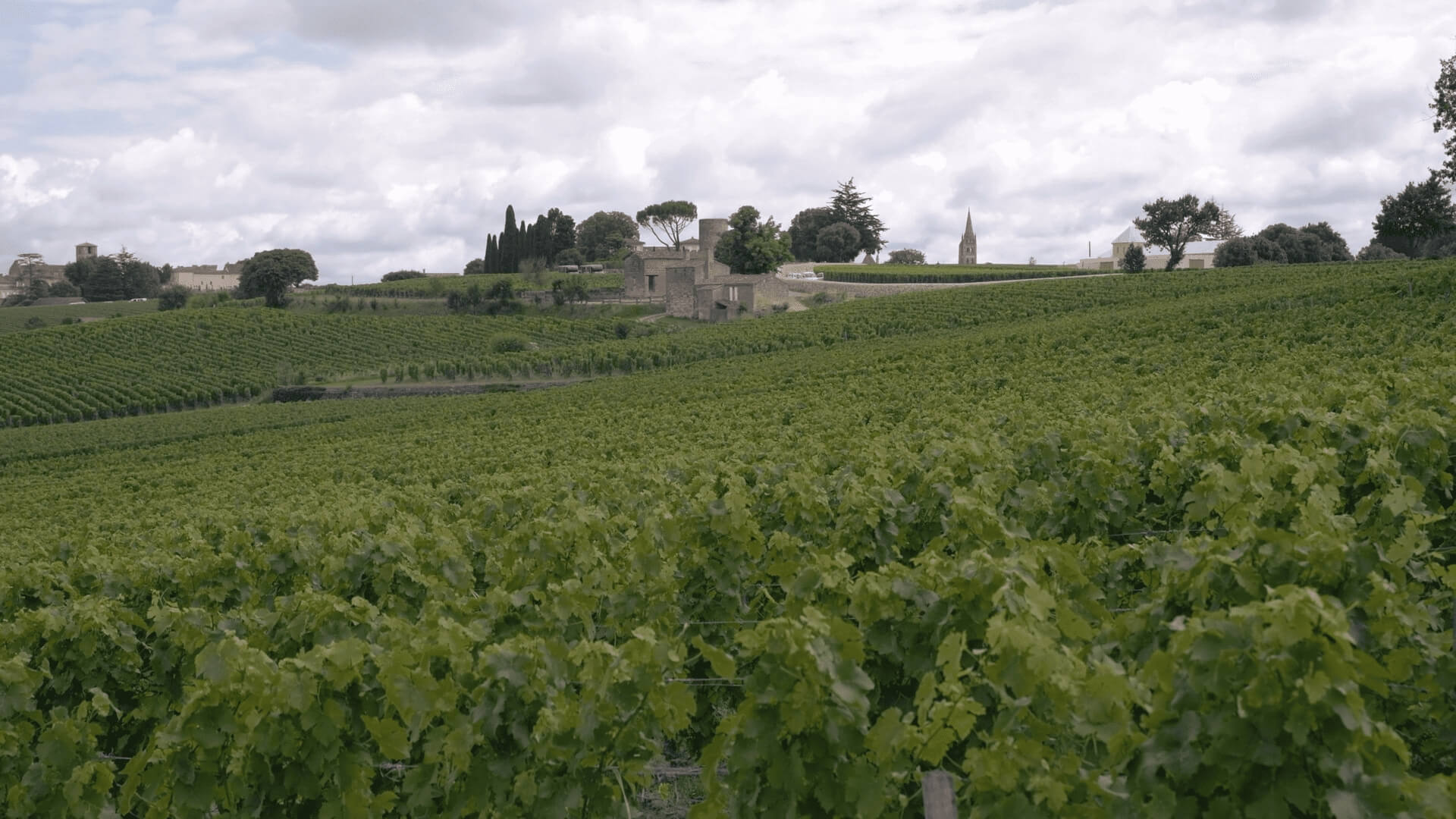
Although climate change plays a role in these developments, it is not the only factor. Other causes include changes to cultivation practices over the past forty years, and reduced yields to promote higher concentration levels.
Is Merlot under threat?
How can we adapt in this increasingly unstable climate context? In Axel Marchal’s view, first and foremost it is important to acknowledge the issue: ‘to me, wine is sensitive work that needs to be modern. We say that we make wine in line with the tastes of the time, and need to adapt our techniques to its requirements.’ This involves a series of changes in vineyard management, such as reducing planting density or leaf area.
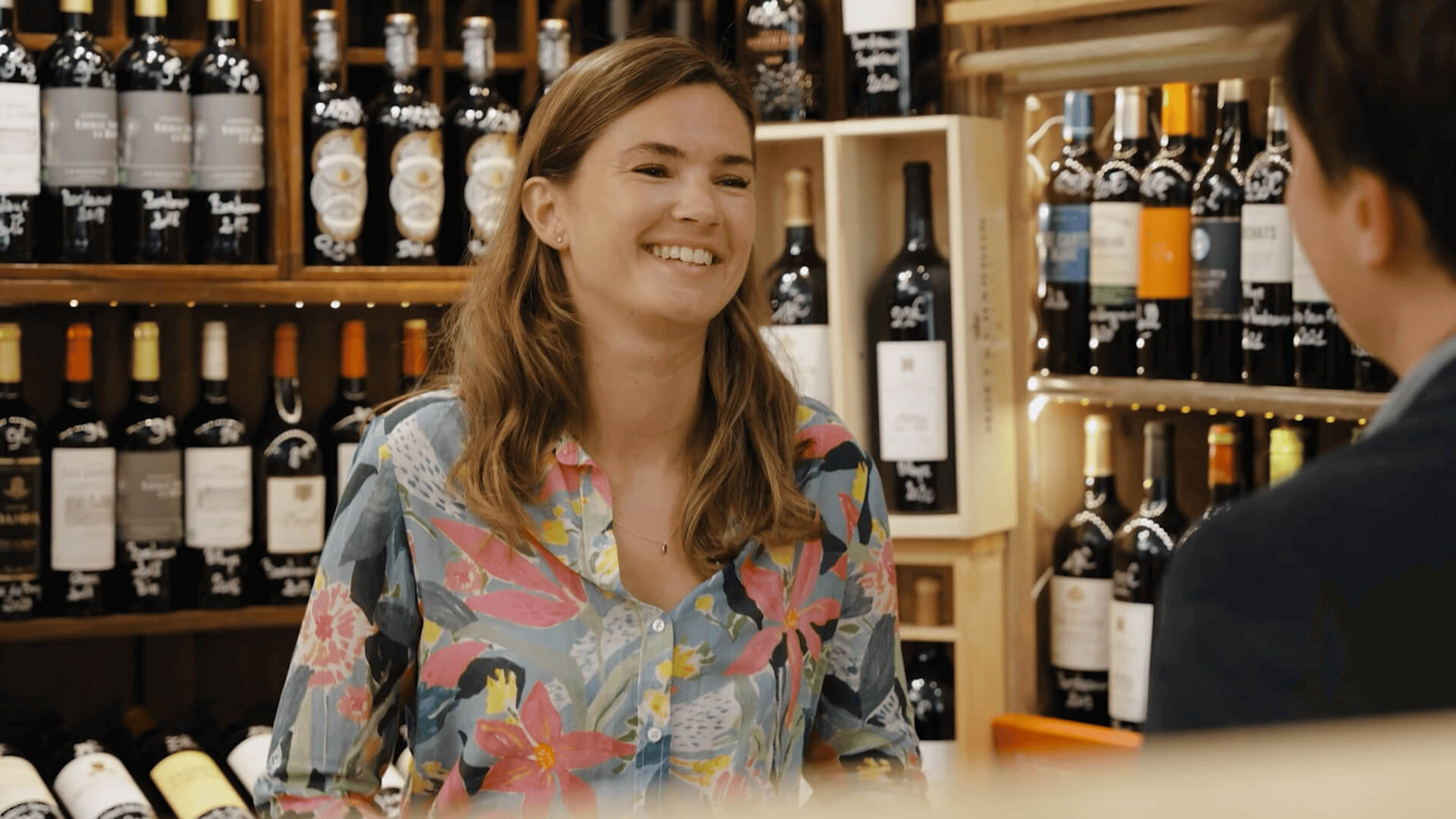
Even so, it is important not to underestimate vines’ capacity for resilience. Camille Galan remembers the general surprise at the quality of the Merlot from the 2022 vintage. The young woman remembers that in recent years, ‘we have seen a certain disenchantment with Merlot, and even a desire to replace it’. Axel Marchal feels that whilst concerns regarding Merlot are legitimate, this grape variety still has a wonderful future ahead of it.
‘Merlot is the earliest ripening red grape variety in Bordeaux. It tends to make wines with lower alcohol levels and less acidity. And yet, 2022 produced remarkable Merlot. I do not believe that Merlot is dead. This grape is more sensitive to water stress than Cabernet is, so should be planted in soils where these stress levels are lower.’
Axel Marchal, Consultant Oenologist
Merlot’s future thus lies in clay or limestone soils, which are widespread in Bordeaux. In general terms, Axel Marchal says he has little faith in changes to grape varieties: ‘my concern is that by changing varieties, we would ultimately be changing Bordeaux’s identity’. The oenology consultant says that he is instead banking on intra-varietal diversity.

‘For a long time, we selected the earliest ripening Merlot vines, in order to ensure that they would ripen. Today, significant work is conducted on selection to produce later-ripening Merlot and Cabernet Sauvignon that is better adapted to the changing climate conditions.’
Axel Marchal, Consultant Oenologist
Bordeaux terroirs facing climate change
In this new setting, will some Bordeaux terroirs become of greater interest? Camille Galan remembers that in the past, ‘some terroirs in this wine region were less favourable due to their humidity and sensitivity to vine diseases’. Axel Marchal asks the question differently: ‘will the hierarchy of terroirs be radically altered by climate change?’ The answer is no.
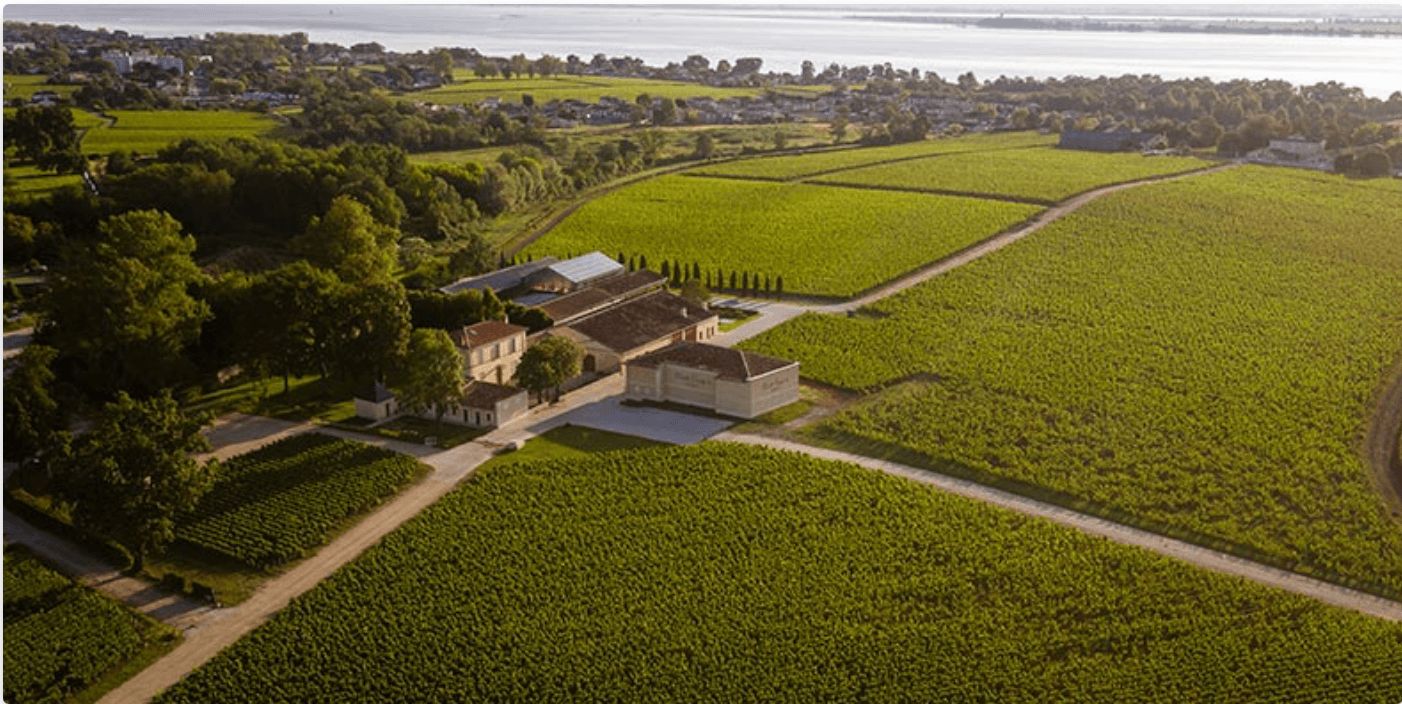
Faced with climate change in Bordeaux, vineyard practices are rapidly evolving.
‘The best winegrowing soils are those that are most resistant to drought, but also able to adapt when it rains. Limestone works a bit like a sponge. So I don’t think that the map will be massively redrawn in terms of the hierarchy of terroirs.’
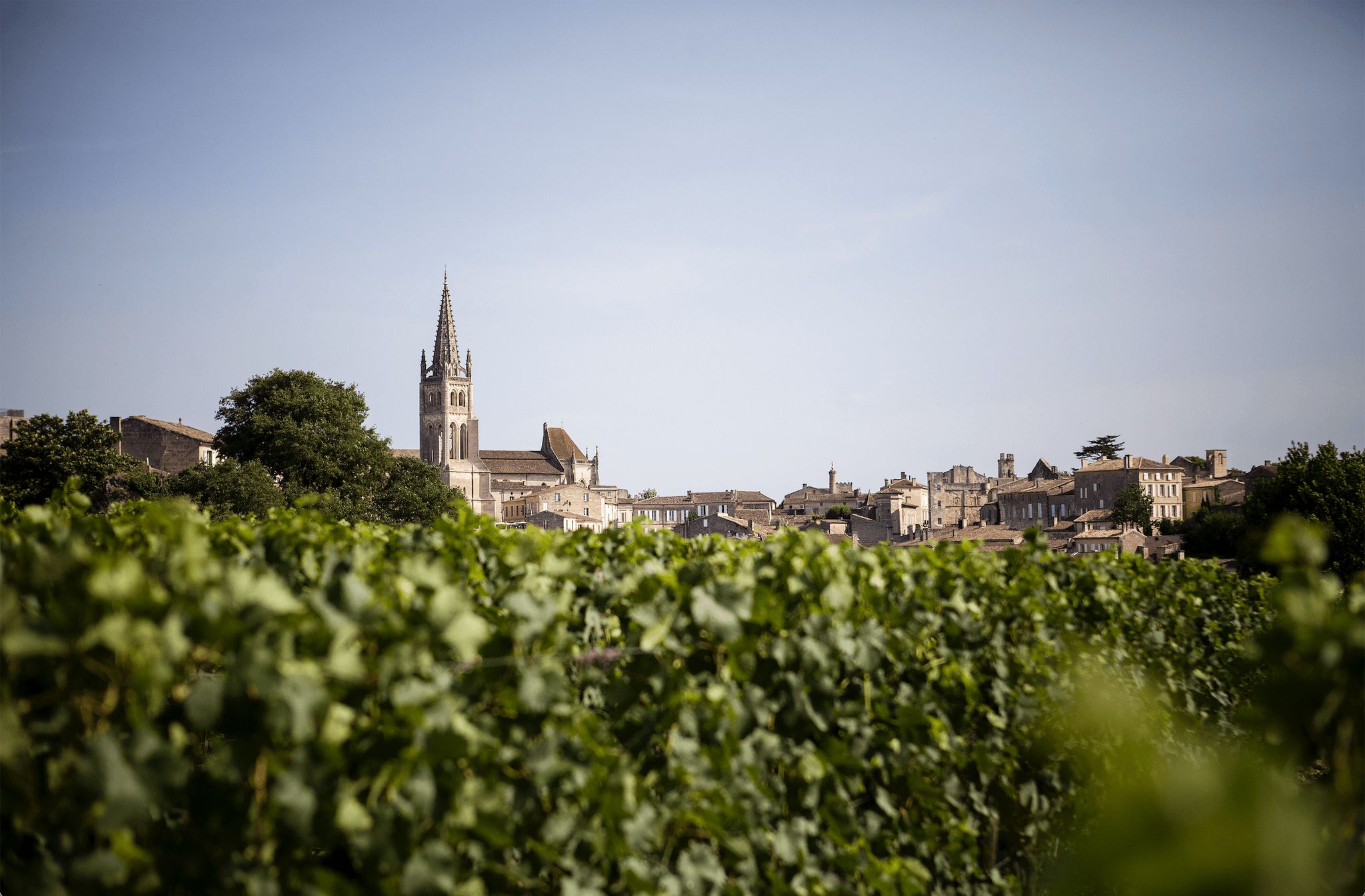
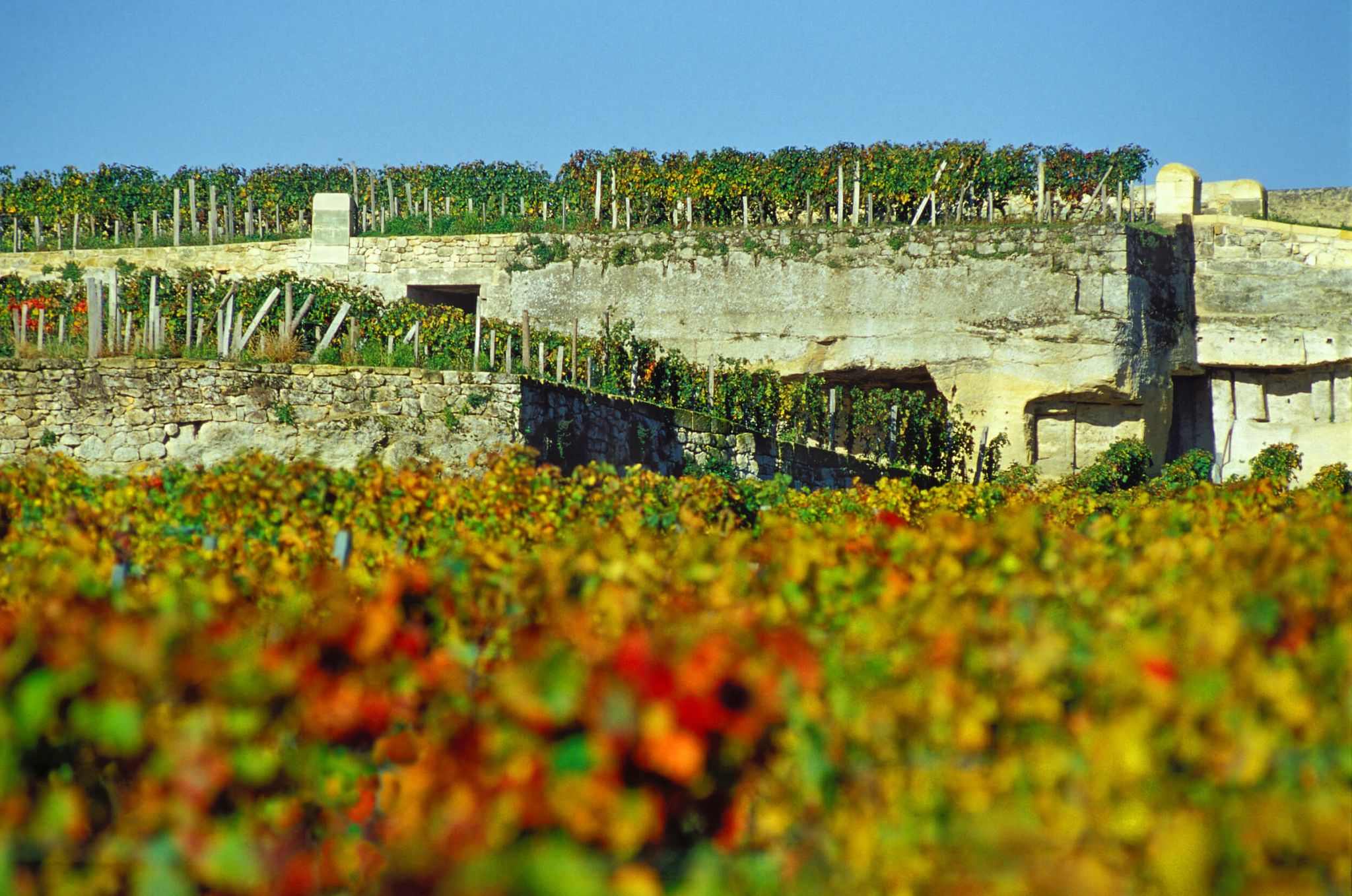
The effects of climate change in Bordeaux are already visible in vine cycles.
Axel Marchal, Consultant Oenologist
Furthermore, Axel Marchal does not believe that the future of Bordeaux as a wine region involves irrigation (‘is a terroir truly great if it requires irrigating?’).
From Twins’ perspective, Camille Galan feels ‘confident that the vine still has plenty of secrets left to reveal, especially when it comes to resilience’. Axel Marchal emphasises that ‘faced with climate change, Bordeaux has evolved at incredible speed. Teams have been implementing increasingly eco-friendly practices at all levels.’
This is enough to make both sure that Bordeaux will be able to continue making fine wine for a long time to come.
Find more Twinsetters videos on our website.