THE TWINS VIEW No. 3
Wine merchant or château: the real question is not which is better, but what you are truly looking for. Two routes, two logics, and a single criterion to decide between them: your own project.
The scene plays out every week: a wine lover falls for a grand cru at a dinner and wishes to buy a case. The dilemma: wine merchant or château? On Google as in the press, opinions differ, and they are not always disinterested.
Let us keep it simple: these two routes meet different needs. Neither is better in absolute terms; everything depends on your project.
In this article, you will discover what you gain by buying direct, what you gain by going through a wine merchant and, for each type of purchase, the most relevant route. Wine merchant or château: by the end, you will be able to decide.
Wine Merchant or Château: Who Does What in the Trade?
Before comparing, let us set the roles straight. The vigneron grows the vines and makes the wine. The château, the emblematic unit of Bordeaux, produces and bottles its wine under a single label: more than 6,000 of them coexist in the region. The récoltant bottles only their own grapes. The wine merchant, for their part, selects, buys and distributes across the world, without necessarily owning vineyards.
| Player | Role | What they sell you | Where to find them |
|---|---|---|---|
| Vigneron | Grows and makes wine | Their wine, their signature | At the estate |
| Château | Produces a wine under its own name | The identity of a cru | At the château, sometimes in its shop |
| Récoltant | Produces wine from their own grapes | A wine made entirely in-house | Estate, markets, fairs |
| Wine merchant | Selects, buys, distributes | A wide choice of grands crus and hidden gems | Wine shops, restaurants, importers |
To learn all about the profession, read What Is a Wine Merchant in Bordeaux? And to untangle vigneron, viticulteur and récoltant: Vigneron, Viticulteur, Récoltant, Négociant: Who Does What in Wine?
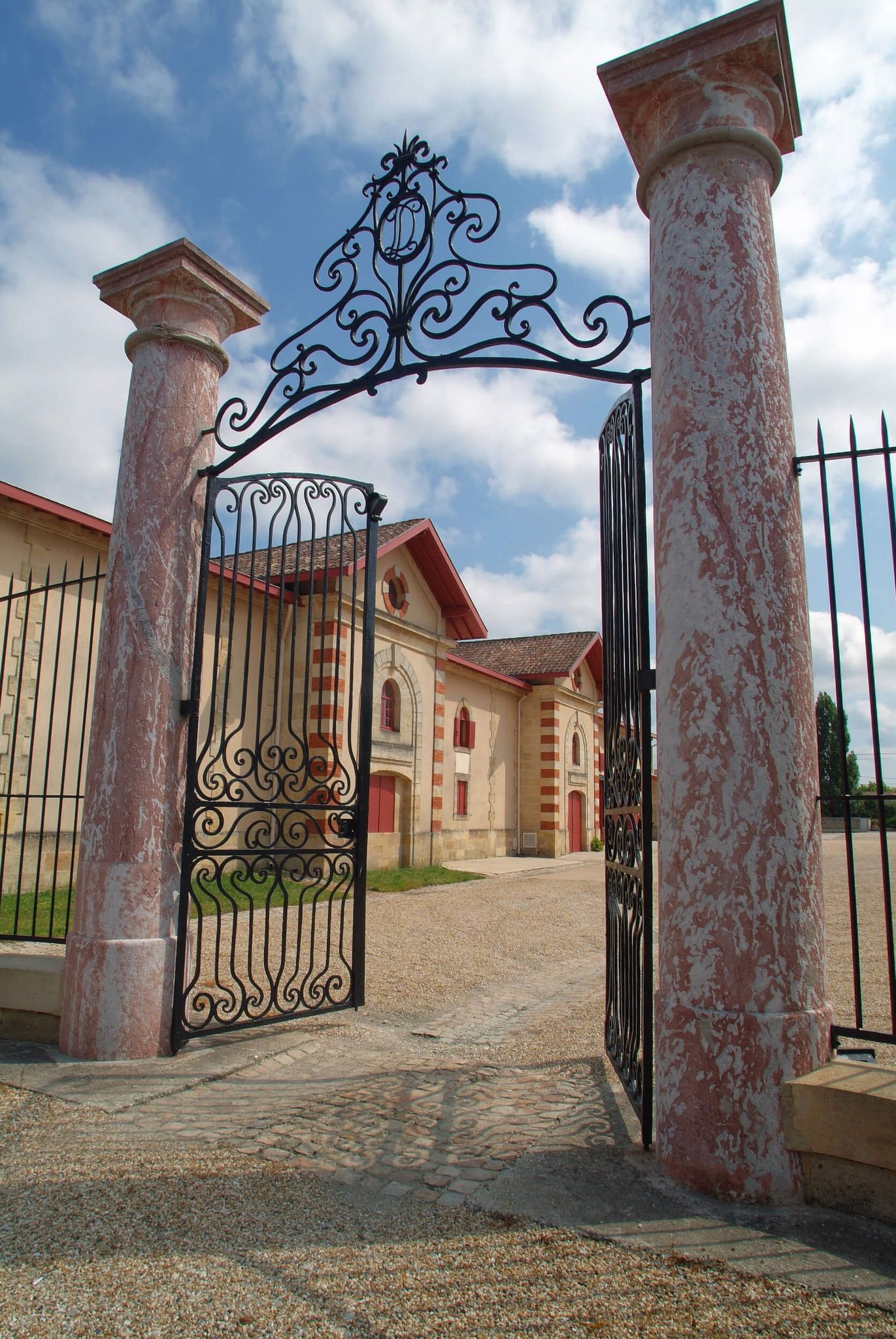
Buying at the Château: Advantages and Limits
Buying at the château means going to the source. In the choice between wine merchant or château, the estate has genuine strengths, and for some buyers it is the right route.
What You Gain
The encounter. Vineyards, cellars, tasting on site, sometimes from the barrel: a human dimension that has no equivalent.
Confidential cuvées. Certain micro-cuvées or vintage exclusives are sold only at the estate.
A direct relationship with the producer. Over time, it opens doors: priority allocations, private tastings, older vintages.
The Limits
Not every château sells direct. Pétrus, Cheval Blanc, Yquem and the first growths of the Médoc pass almost entirely through La Place de Bordeaux.
A single property. To compare several styles, appellations or vintages, you would have to multiply your visits.
A price that is not always more favourable. Many estates align their prices with the market and, abroad, shipping and customs often erase the difference.
After the purchase, you are on your own. No advice on when to open, no one to turn to if a bottle is faulty, no contact to guide you through the following vintages.
Buying from a Wine Merchant: What It Truly Changes
A wine merchant does not sell you a château; they sell you a reading of the market. Three concrete benefits.
Access to Rare Wines
Dozens, even hundreds of estates, rare allocations, several vintages of the same wine in stock. For a Pétrus 2015 or a Cheval Blanc 2010, the wine merchant is often the only reliable way in.
Expert Selection
They taste hundreds of wines a year in order to offer you the best value of a vintage, the second wines worth seeking out, the lesser-known châteaux. Fewer costly mistakes.
Relationship and Follow-up
A contact who knows your tastes, alerts you when an allocation becomes available and advises you on when to open a bottle. Many buyers never look back.
Did you know? More than 70% of Bordeaux wines are sold by wine merchants. For the grands crus classés, the share exceeds 90%. Without the wine trade, no cellar worthy of the name could be built, in France or abroad.
Wine Merchant or Château: When to Choose the Wine Merchant?
The situations in which the wine merchant clearly makes the difference.
| You are looking for… | Why the wine merchant |
|---|---|
| A rare grand cru classé | It is almost never sold direct: the wine merchant is your most reliable access. |
| An older vintage | Châteaux keep very few; the wine merchant often holds stock. |
| A varied cellar | Several appellations, styles and vintages in a single order. |
| A professional purchase (restaurant, wine shop, hospitality, retail) | Trade terms, traceability, logistics: this is the wine merchant’s profession, not the château’s. |
| A purchase from abroad | Import, customs, secure shipping: a wine merchant specialising in export handles everything. |
| An exceptional gift | Expert selection, careful presentation, suitable delivery. |
Wine Merchant or Château: When to Go to the Estate?
And those in which the estate is the obvious choice
| You are looking for… | Why the château |
|---|---|
| A wine tourism experience | A visit, a tasting on site, meeting the vigneron: irreplaceable. |
| A more affordable wine | Many châteaux sell their most accessible cuvées direct, at a fair price. |
| A confidential cuvée | Some limited editions are only available at the château. |
| To support a particular estate | Buying direct is more rewarding for the producer. |
| A purchase on the spot, without logistics | Loading your car at the estate remains the simplest solution. |
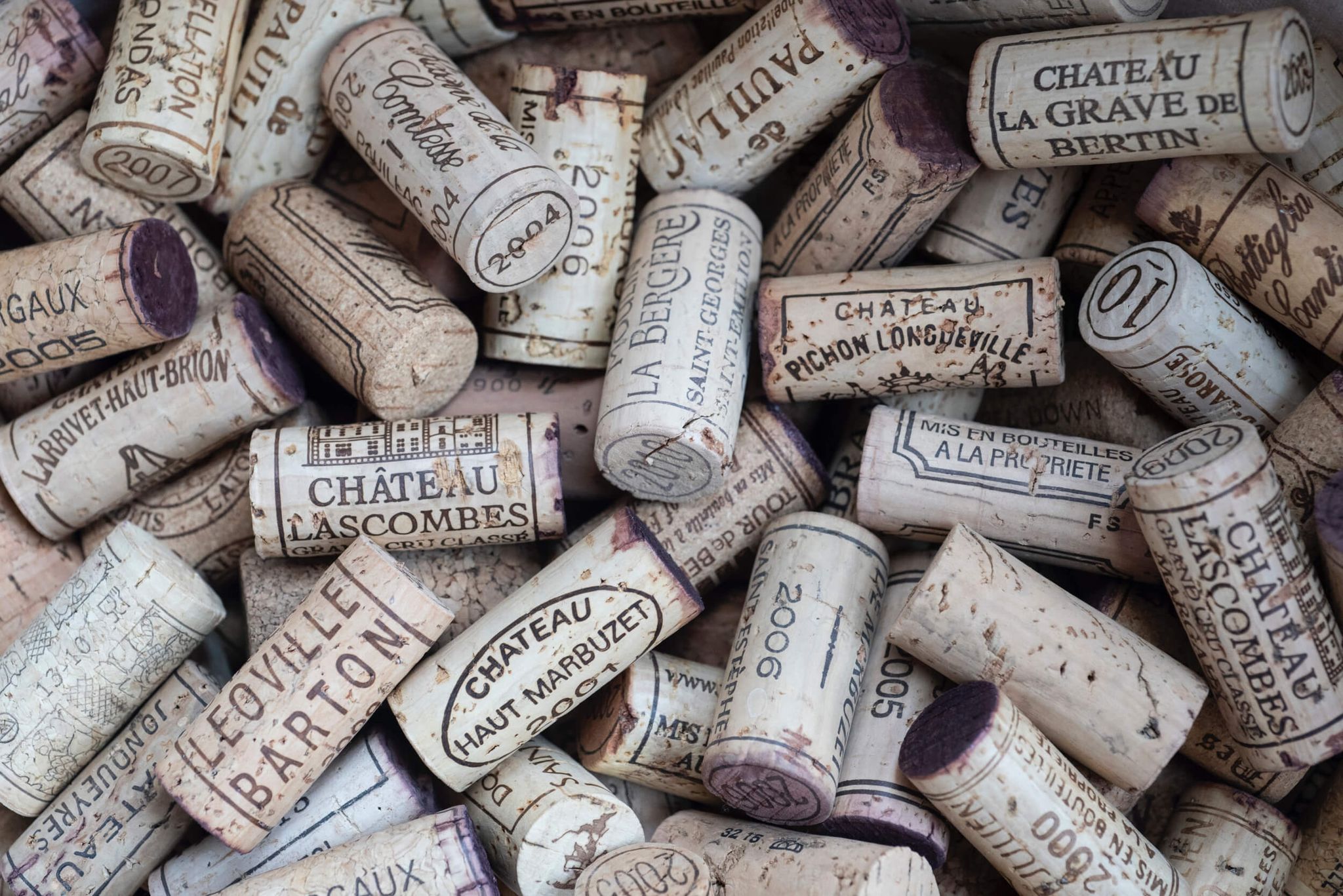
Wine Merchant or Château: The Verdict
If you were expecting an outright winner, here is the truth: there is none. And that is all for the better.
Châteaux and wine merchants are not opposed; they complement each other: the former produce, the latter distribute. Without the châteaux, there would be no wine trade; without wine merchants, Bordeaux wines would never have achieved their worldwide reach.
At Twins, our partner châteaux are not suppliers: they are families with whom we work over the long term. We carry their wines across the world with the same high standards as if they were our own. And we also know when to direct a client towards a visit to the estate, when that is what they need.
The real question, then, is not ‘wine merchant or château’, but: what am I looking for today? The answer points to the right route of its own accord.
Curious to explore the Twins selection? More than 500 partner estates, from grands crus classés to confidential finds. Speak with us.
Frequently Asked Questions
How can I obtain allocations of grands crus?
Through a wine merchant, who knows the rare allocations and will alert you when one becomes available. A loyal client of a château may also, over time, gain priority access.
Wine merchant or château: which supports the producer more?
Buying direct earns the producer more per bottle. The wine merchant, for their part, carries the producer’s wines across the world, to markets the estate could not reach alone.
What should I do if a bottle is faulty?
With a wine merchant, you have a contact you can reach to find a solution. After a purchase at the château, such support does not always exist.
Can a wine merchant advise me to go to the château?
Yes. At Twins, when a visit to the estate better suits your project, we will direct you there.